Moving presents an ideal time to donate unwanted furniture, but choosing between transporting items yourself or using donation pickup scheduling often determines whether your charitable intentions become reality or simply add stress to an already complex process. Professional pickup services remove the physical labor, vehicle requirements, and time constraints that derail many well-meaning donation plans. Self-hauling offers more control over timing and destination but demands significant effort, proper vehicles, and multiple trips for most households.
Why Moving Creates the Perfect Donation Opportunity
Relocation forces you to evaluate every possession you own. That sectional sofa that barely fits in your current living room might not work in your new space. The dining set you inherited may not match your updated style. Moving costs increase with every item loaded onto the truck, creating a financial incentive to reduce your load.
Charitable organizations consistently report higher donation volumes during peak moving seasons between May and September. Furniture represents some of the most needed items at shelters, transitional housing programs, and family resource centers. Your unwanted pieces often become essential furnishings for families starting over after hardship.
The Hidden Costs of Self-Hauling Furniture to Donation Centers
Transporting furniture yourself seems straightforward until you account for the actual requirements. Most donation centers only accept items during limited weekday hours, typically 9 AM to 4 PM when most people work. You need access to a truck or large van, which means renting a vehicle if you don’t own one. Rental costs for pickup trucks average $75 to $150 per day, not including mileage fees or fuel.
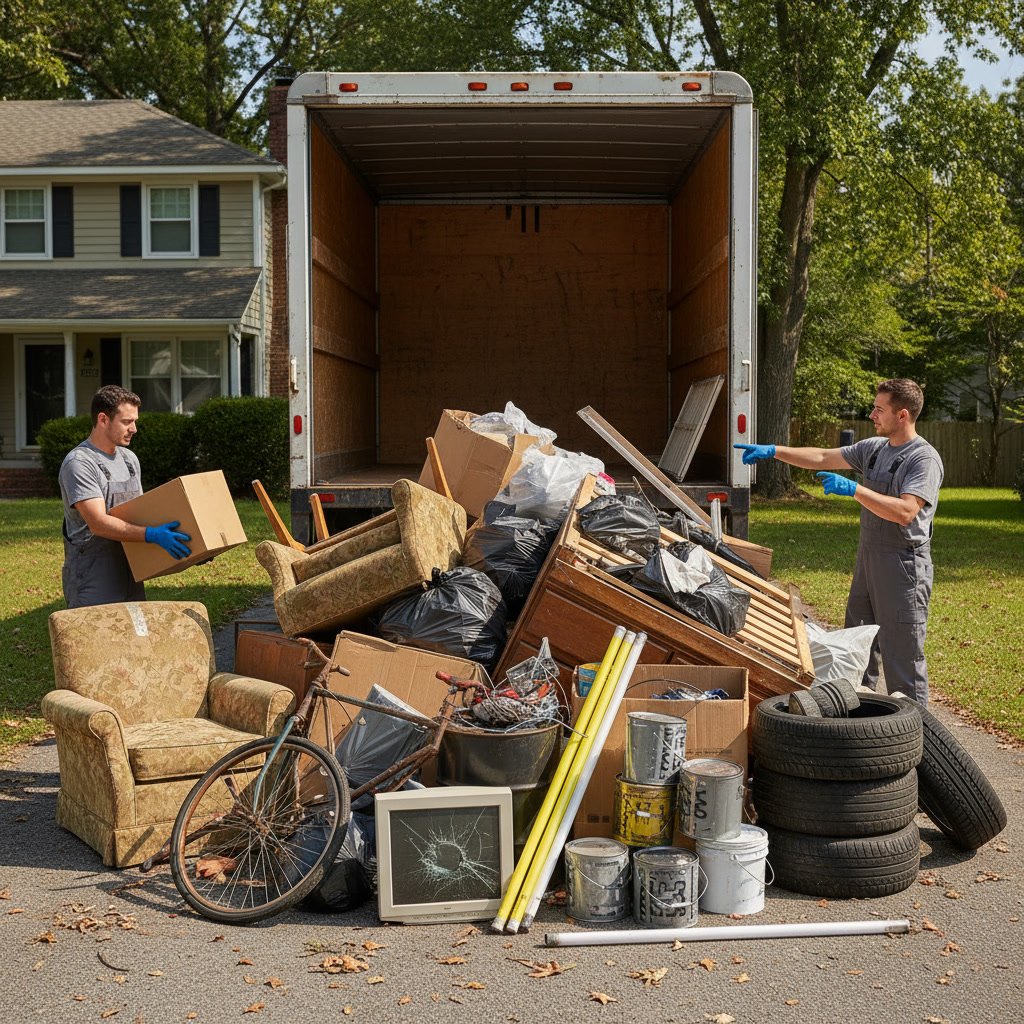
Physical labor presents another challenge. A standard three-cushion sofa weighs between 150 and 250 pounds. Solid wood dressers often exceed 200 pounds. Safely loading these items requires at least two physically capable people, proper lifting technique, and equipment like furniture dollies and moving straps. Stairs, narrow doorways, and tight corners multiply the difficulty.
Insurance and liability also factor into the equation. If you damage your property, injure yourself, or cause an accident while transporting donations, your standard insurance may not cover incidents occurring during non-commercial moving activities. Professional services carry commercial liability coverage that protects both you and your property.

How Professional Donation Pickup Services Work in Marysville
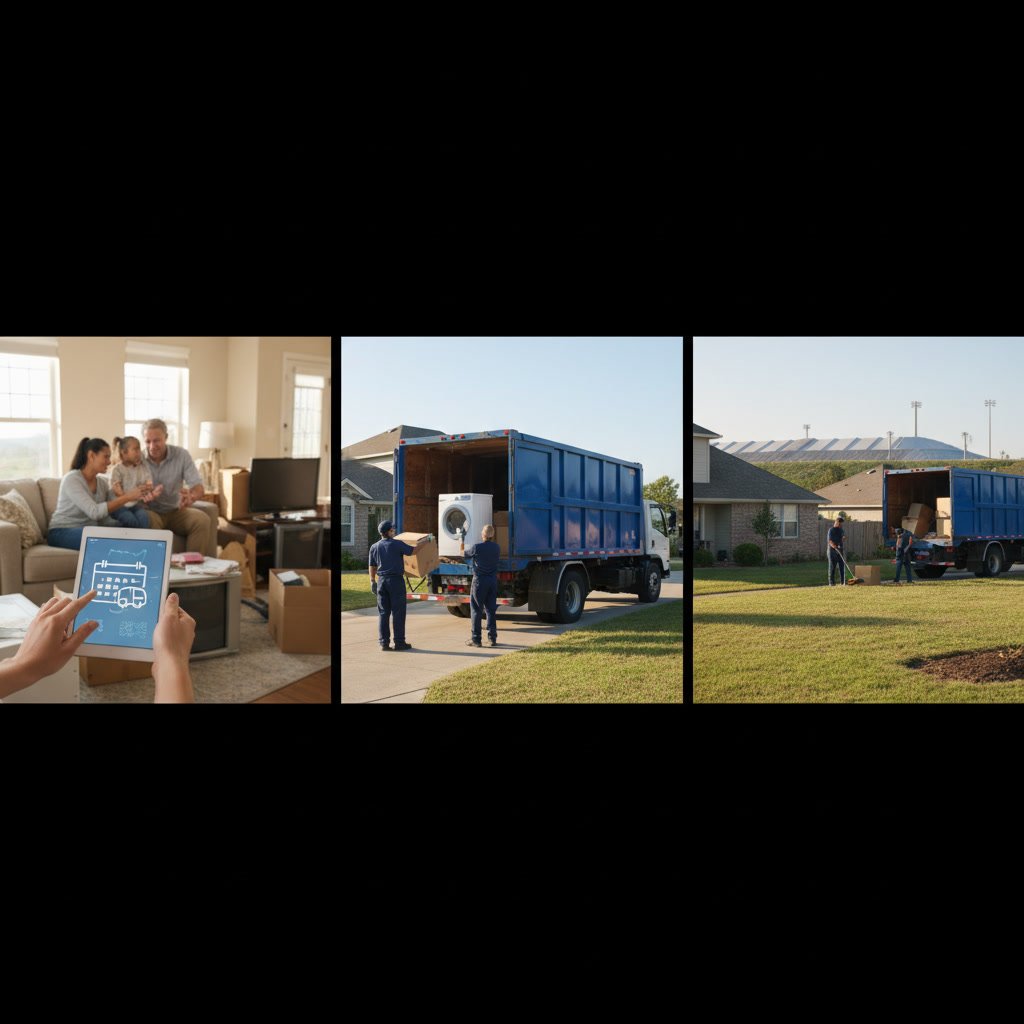
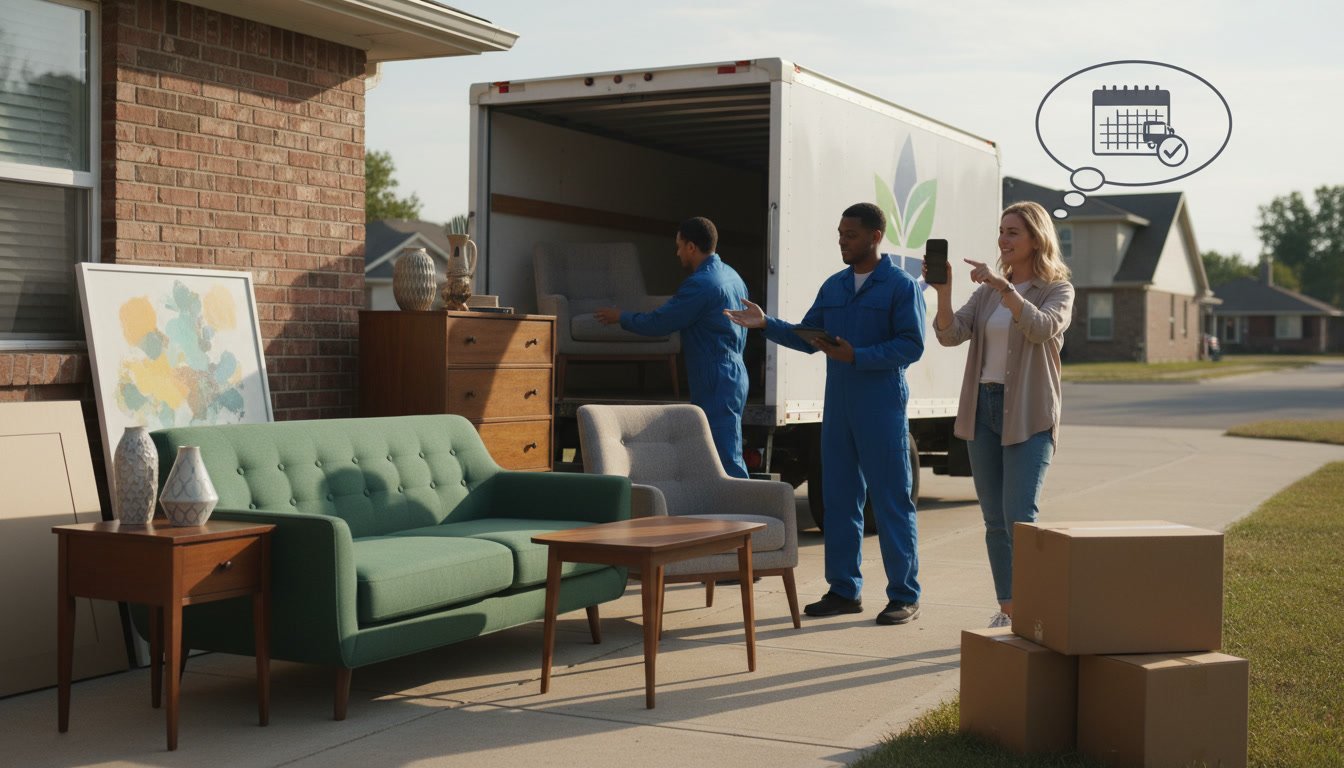
Professional donation pickup services handle the entire process from your home to the receiving charity. You schedule an appointment that fits your timeline, often with same-week or next-day availability. The team arrives at your property, evaluates the items, and loads everything without requiring your physical participation.
Most services partner with established charitable organizations, ensuring your donations reach legitimate nonprofits rather than for-profit resellers. The hauling team documents what they collect, and many provide tax donation receipts on behalf of their partner charities. This documentation matters during tax season when you itemize deductions.
Service providers in Marysville typically offer flexible scheduling, including evening and weekend appointments that accommodate working professionals. They bring all necessary equipment, including furniture pads, straps, and dollies, to protect your items and property during removal.
Comparing Time Investment: DIY vs Professional Scheduling
Self-hauling furniture consumes more time than most people anticipate. You must research which charities accept your specific items, as many organizations restrict furniture types due to bed bug concerns, safety standards, or storage limitations. Calling donation centers to verify acceptance can take an hour or more as you navigate phone trees and wait times.
Loading and transport for a typical three-bedroom home with multiple furniture pieces requires four to six hours, assuming a single trip. Most households need multiple trips because donation centers limit how much they accept at once, or because different charities specialize in different items. Each round trip to a donation center adds 30 minutes to two hours depending on location and traffic.
Professional pickup services complete the same job in 30 to 90 minutes. You spend perhaps 10 minutes on the initial phone call or online booking, then the team handles everything else. This time difference matters significantly when juggling packing, address changes, utility transfers, and the dozens of other moving tasks competing for your attention.
When Self-Hauling Makes More Sense
Transporting donations yourself works well in specific situations. If you own a suitable vehicle and have only one or two small items, self-hauling may be more efficient than scheduling a pickup. A single nightstand or a few boxes of household goods fit easily in most cars.
Some people prefer choosing exactly which charity receives their donations. Perhaps you volunteer at a specific organization or want to support a particular cause. Direct delivery ensures your items go exactly where you intend. However, many professional services let you specify charity preferences, so ask before assuming you must handle transport yourself.
Self-hauling also makes sense when your timeline is extremely flexible and you enjoy having complete control over the process. If you’re moving gradually over several weeks and can make donation runs during off-peak hours, the experience may feel less stressful than during a compressed moving timeline.
Five Situations Where Professional Pickup Becomes Essential
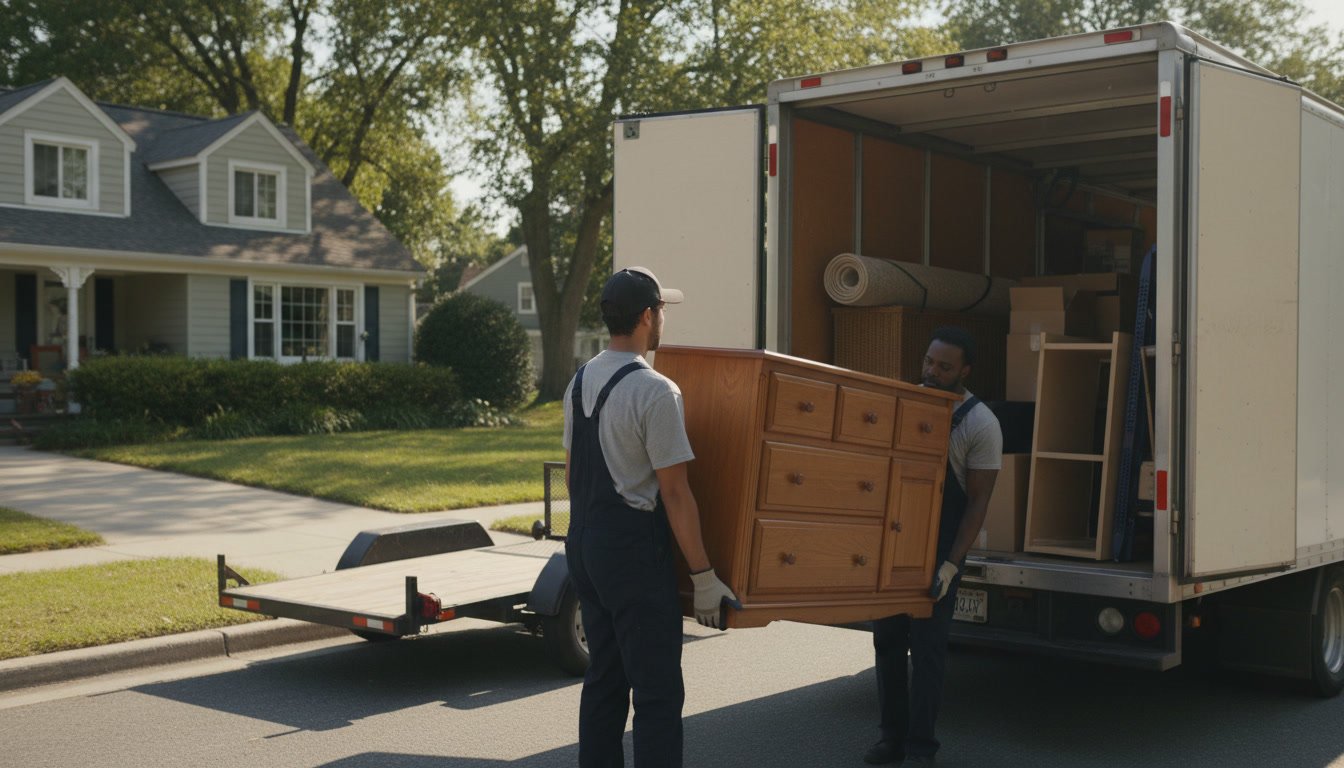
Certain circumstances make professional furniture and large items removal the only practical option. If you’re donating items from upper floors or basement spaces, the injury risk and physical difficulty of safely navigating stairs with heavy furniture outweighs any cost savings from self-hauling.
Medical conditions or physical limitations that prevent heavy lifting make professional services necessary rather than optional. Age, recent surgeries, back problems, or other health considerations mean attempting to move furniture yourself could result in serious injury. Professional teams have the training and equipment to handle these situations safely, as detailed in guidance on removing heavy items from difficult spaces.
Time-sensitive moves, such as lease endings with specific vacate dates or closing deadlines on home sales, create pressure that makes reliable professional scheduling valuable. Missing your donation window because you couldn’t arrange vehicle rental or recruit helpers could leave you paying for items to go to the landfill instead.
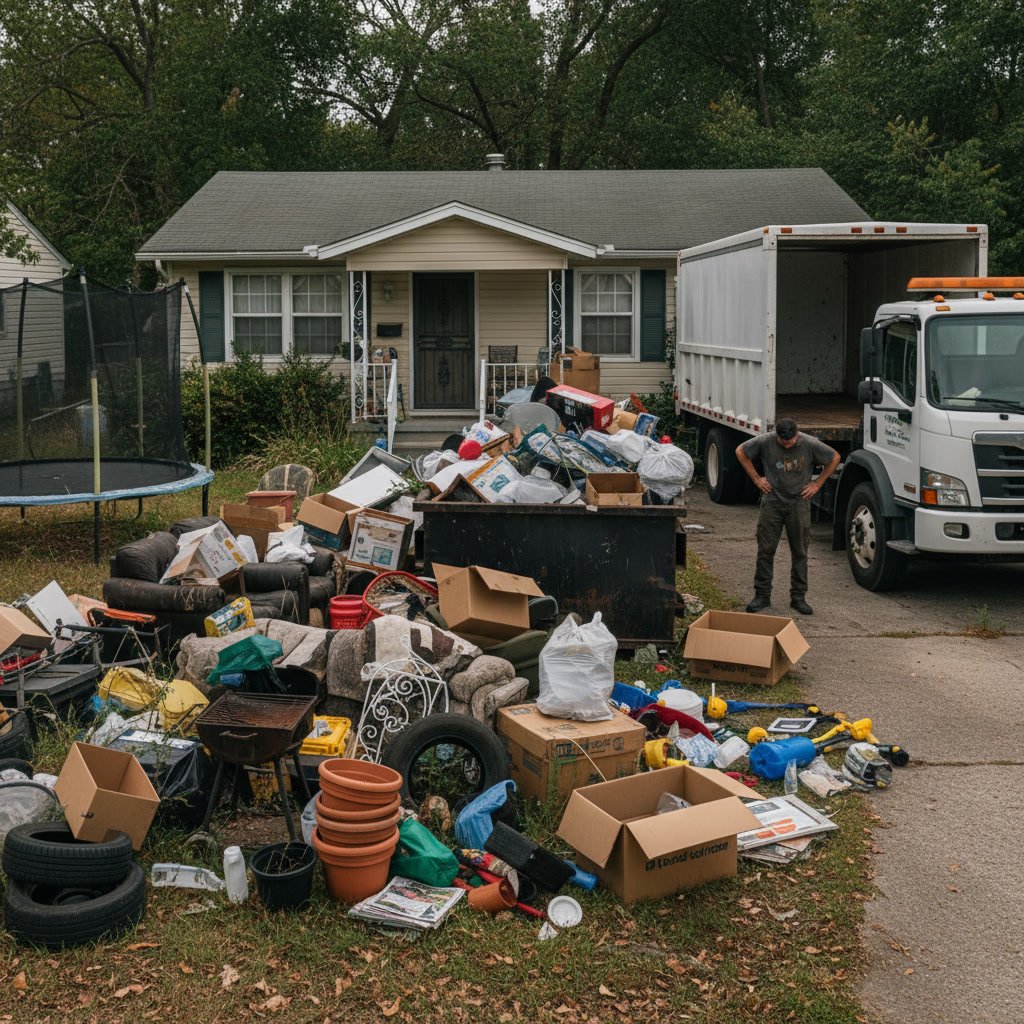
Large donation volumes from whole-house cleanouts exceed what most people can transport in multiple trips. If you’re donating more than five furniture pieces or combining furniture with appliances and other household goods, professional services become exponentially more efficient. The same principle applies during residential junk removal projects that combine donations with disposal items.
Finally, when you lack reliable help, professional services eliminate the problem entirely. Recruiting friends or family to help load furniture often proves difficult, and hired labor through task services costs nearly as much as professional hauling without the expertise or insurance coverage.
What Charities Actually Accept and Why It Matters
Understanding donation acceptance criteria prevents wasted trips and frustration. Most charitable organizations refuse upholstered furniture manufactured before 2008 due to flame retardant regulations. They typically decline mattresses, box springs, and cribs due to health and safety concerns, regardless of condition.
Furniture must be clean, functional, and free from significant damage. Charities cannot accept items with stains, tears, broken frames, or missing hardware because they lack resources to repair donations before distribution. What seems like a minor flaw to you may render an item unacceptable to donation centers.
Many organizations seasonally adjust what they accept based on storage capacity and current inventory. A charity may eagerly accept sofas in June but refuse them in November because their warehouse is full. Professional hauling services maintain current knowledge of what local charities need, saving you from rejection at drop-off.
Cost Comparison: The Real Numbers
Truck rental for a day costs $75 to $150, fuel adds another $20 to $40, and most people recruit helpers with offers of pizza and drinks adding $30 to $50. The true cost of self-hauling furniture donations ranges from $125 to $240 when you account for all expenses, not including your time value.
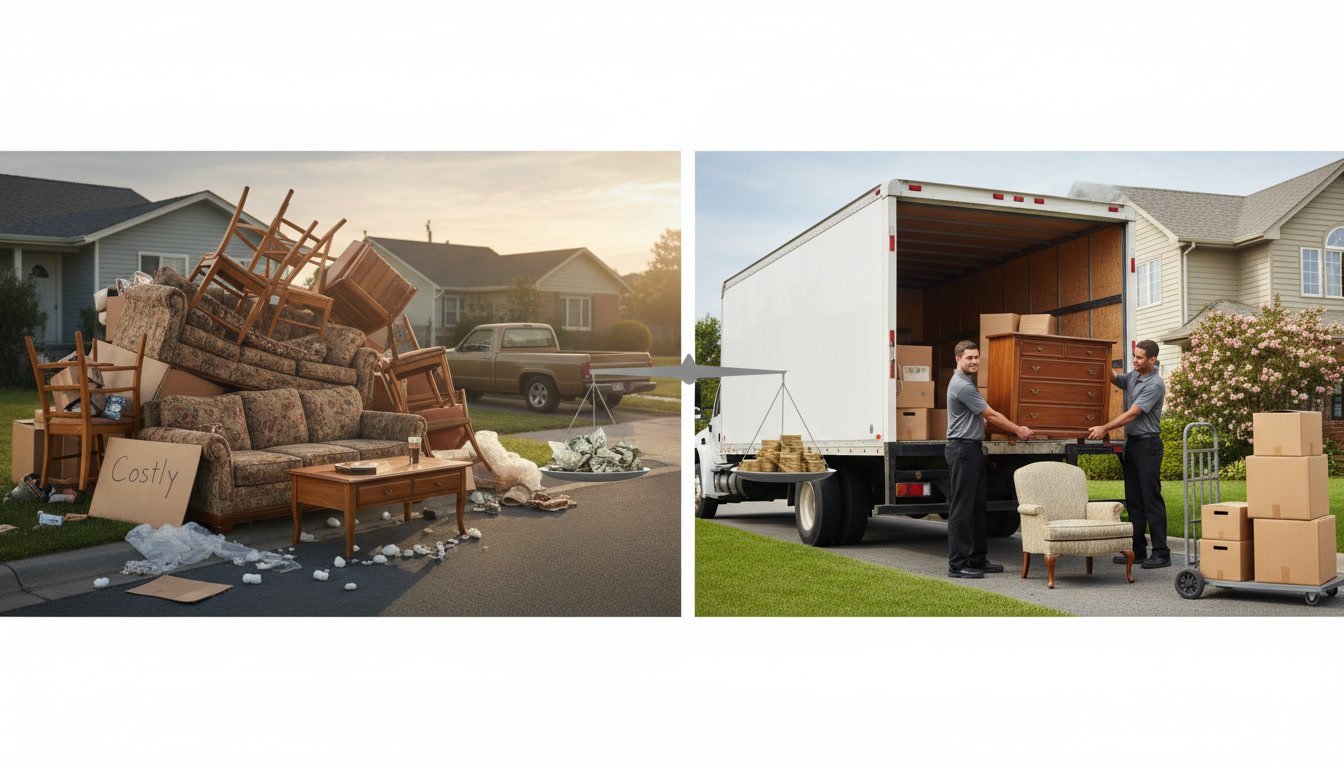
Professional donation pickup typically costs $100 to $200 for standard furniture loads, with prices varying based on item quantity, size, and access difficulty. Services that combine donation pickup with disposal of non-donatable items often offer better overall value than coordinating separate solutions.
The cost difference narrows considerably when you factor in convenience, time savings, and injury prevention. For households where both adults work or where physical limitations exist, professional services deliver substantially more value than the price difference suggests.
Scheduling Strategy: Timing Your Donation Pickup
Optimal donation pickup timing depends on your moving schedule and preparation status. Booking pickup services one to two weeks before your moving date gives you time to sort belongings, complete packing of items you’re keeping, and clearly identify everything designated for donation.
Many people schedule pickup too early, then accumulate additional items they want to donate as packing progresses. Others wait until the last minute and discover services are booked during peak moving weekends. The sweet spot is typically three to five days before your movers arrive, after you’ve finished major sorting decisions but before final packing chaos begins.
Consider scheduling pickup before listing your home for sale if you’re moving from a property you’re selling. Removing excess furniture helps potential buyers visualize spaces more effectively and often leads to faster sales and better offers. This strategy works equally well for property and apartment cleanouts preparing units for new tenants.
Preparing Items for Either Donation Method
Proper preparation ensures your donations are accepted whether you transport them yourself or use professional pickup. Clean all surfaces thoroughly using appropriate products for each material type. Remove personal items from drawers and storage compartments, including forgotten items in hidden spaces.
Disassemble furniture only if required by the charity or hauling service. Most professional services prefer furniture assembled because it’s easier to evaluate condition and less likely to have missing hardware. If you do disassemble pieces, bag and label all hardware, and tape instruction manuals to the corresponding furniture.
Group donations in an easily accessible location, preferably near your garage or front door. This placement speeds pickup appointments and reduces the risk of confusion about which items are donations versus items you’re keeping. Take photos of valuable donations for tax documentation purposes before pickup.
Making the Right Choice for Your Situation
The decision between self-hauling and professional donation pickup ultimately depends on your specific circumstances. Evaluate your available time, physical capability, vehicle access, and moving timeline. Consider the actual full cost of self-hauling, including hidden expenses like vehicle rental, fuel, helpers, and your time value.
Professional services make the most sense when you’re managing multiple moving tasks simultaneously, lack appropriate vehicles, have physical limitations, or are donating more than a few items. The convenience and reliability often justify the cost difference, particularly during stressful moving periods when every hour counts.
Self-hauling remains viable for small donation loads, when you have unlimited flexibility, or when you strongly prefer controlling exactly where your items go. Be realistic about the effort required and build extra time into your schedule for unexpected complications.
Turning Good Intentions Into Completed Donations
The difference between planning to donate furniture and actually completing donations often comes down to removing logistical barriers. Professional pickup services exist specifically to bridge this gap, transforming charitable intentions into realized donations that benefit your community.
Whether you choose to handle transport yourself or schedule professional assistance, the important outcome is keeping usable furniture out of landfills and into homes where families need it. Moving creates the opportunity, but follow-through requires matching your method to your realistic capabilities and timeline.
Sno King Hauling Junk Removal helps families throughout the region turn moving day cleanouts into charitable contributions through reliable pickup services that respect your schedule and ensure donations reach appropriate organizations. If you’re preparing for a move and want to donate furniture without the hassle of self-transport, our team handles the heavy lifting and coordinates with local charities that serve families in need. Call +14253226782 to schedule your donation pickup and simplify one more aspect of your moving checklist.