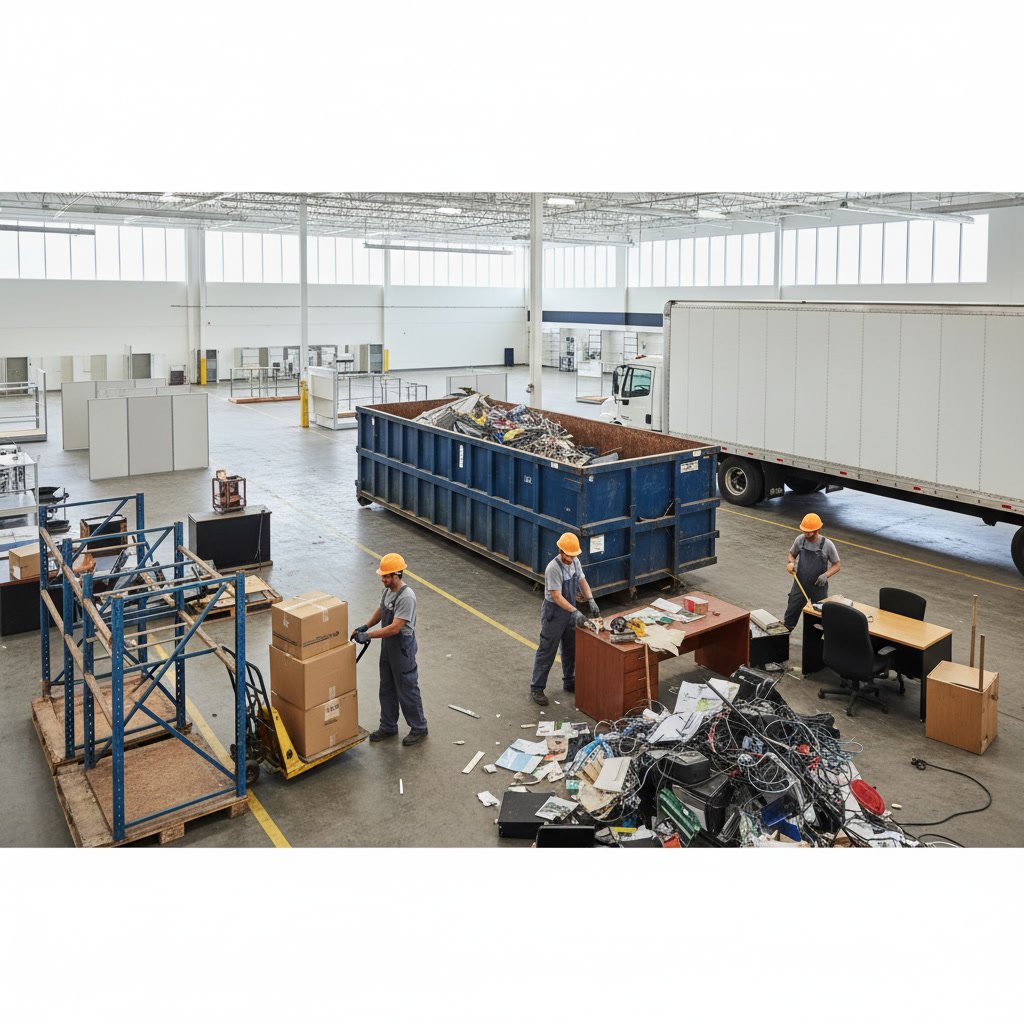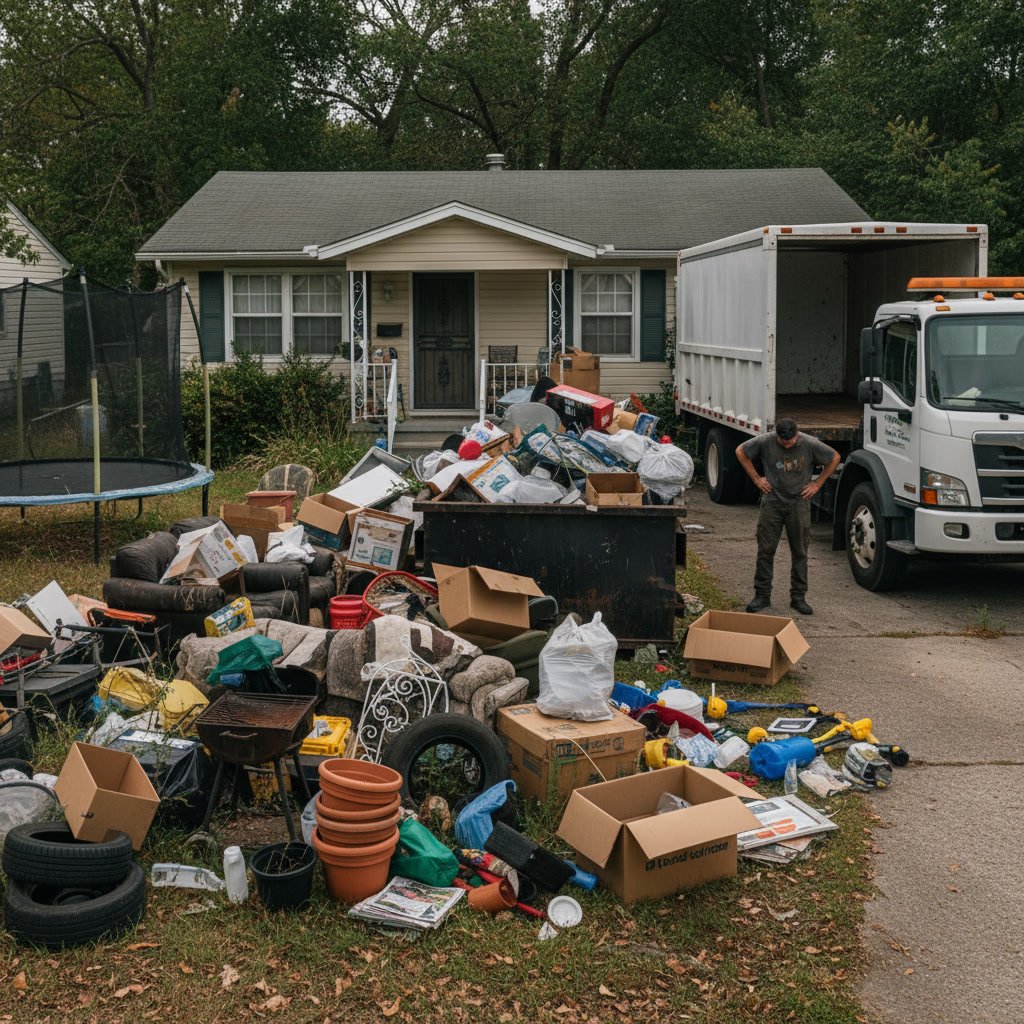
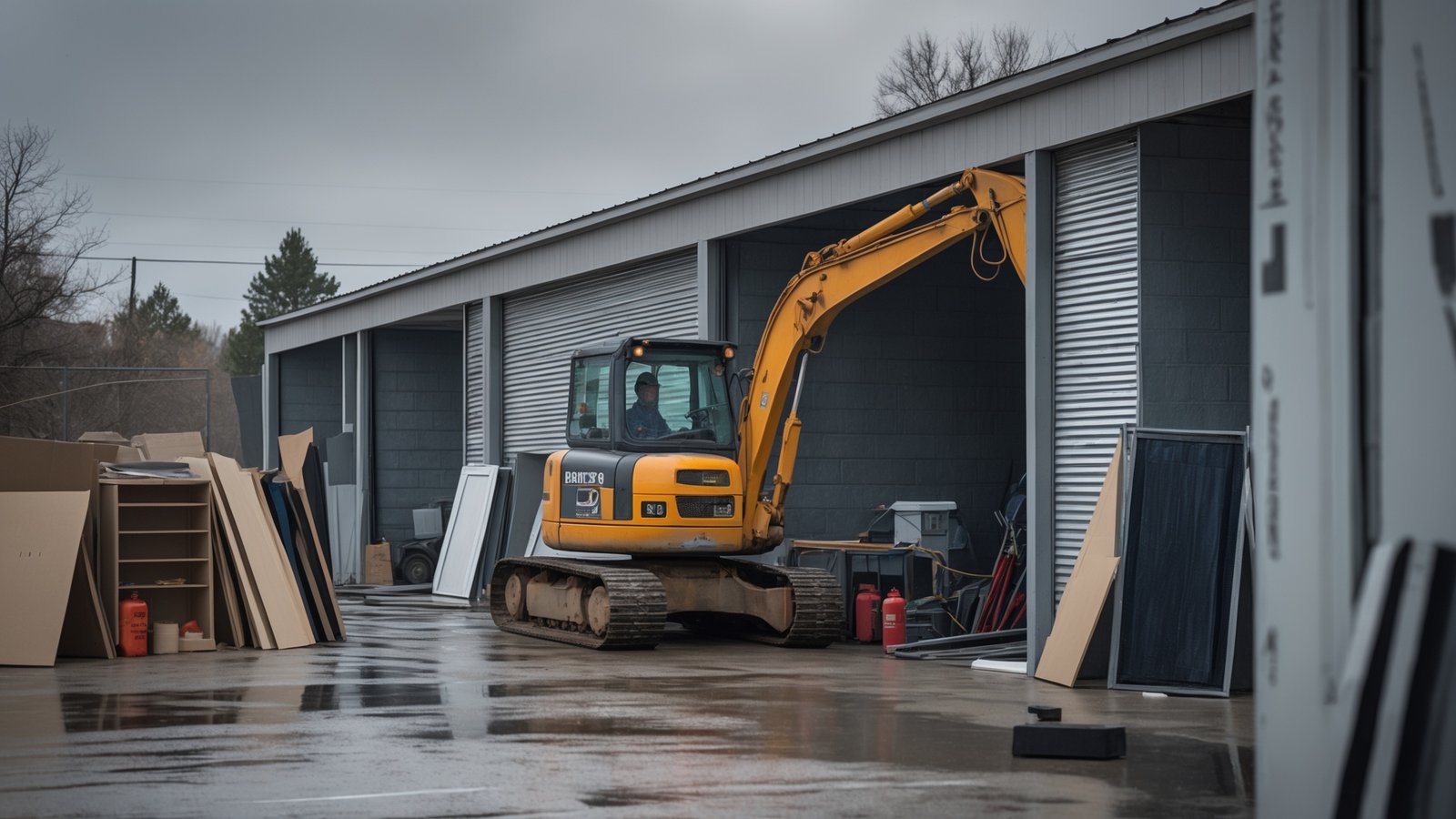
A professional storage unit cleanout follows a structured approach that begins with facility access coordination and ends with responsible disposal. The storage cleanout process includes assessment, sorting, safe loading, and eco-friendly hauling, transforming overwhelming storage spaces into cleared units ready for return or reuse. Whether you’re downsizing after years of accumulation or handling an inherited unit, understanding each phase helps you prepare and avoid surprises.
Many storage renters reach a point where monthly fees no longer justify what’s inside. Units filled with forgotten boxes, outdated furniture, or items no one will ever use again become financial drains. Professional cleanout teams bring the labor, equipment, and disposal knowledge that turn a multi-day ordeal into a same-day solution.
Why Storage Units Fill Up and Stay Full
Storage units often begin as temporary solutions during life transitions. A move, divorce, downsizing, or estate settlement leads people to rent space with good intentions of sorting through belongings later. Time passes, and that “later” never arrives. Monthly charges auto-draft from bank accounts while the unit sits untouched for months or years.
Other units serve as overflow for homes that have simply run out of space. Seasonal decorations, old furniture, childhood memorabilia, and items with sentimental value pile up. Without a clear plan for addressing the contents, inertia takes over. The thought of spending weekends sorting, lifting heavy items, and making dozens of disposal trips becomes so overwhelming that nothing happens at all.
Coordinating Facility Access and Scheduling
The first step in any professional cleanout involves confirming access to the storage facility. Most facilities require advance notice when a hauling company will be on-site, especially if large trucks or multiple crew members are involved. Some facilities have specific hours for move-outs, gate codes that change regularly, or rules about which entrances commercial vehicles can use.
Professional teams handle this coordination directly with facility managers. They verify gate access codes, elevator availability for climate-controlled buildings, and any restrictions on disposal bin placement. This advance work prevents delays on cleanout day and ensures the crew arrives with the right equipment and vehicle size for the job.
Clients typically meet the team at the unit or provide access codes and lock combinations ahead of time. Clear communication about access details prevents wasted time and ensures the job starts on schedule.
The Initial Walkthrough and Assessment
Once on-site, the team conducts a thorough walkthrough of the storage unit. This assessment serves multiple purposes. First, it confirms the scope of work and verifies that the quoted price matches the actual volume of items. Second, it identifies any items that require special handling, such as appliances, electronics with hazardous components, or furniture that needs disassembly.
During the walkthrough, the team also looks for items worth donating or recycling. Many storage units contain perfectly usable furniture, household goods, or clothing that simply no longer fit the owner’s life. Professional haulers with donation partnerships can redirect these items to local charities rather than landfills.
The assessment also reveals any structural challenges. Units packed floor-to-ceiling require careful deconstruction to avoid injury. Heavy items buried at the back need strategic removal paths. Experienced crews plan their approach during this initial review, working from front to back or top to bottom depending on how items are stacked.
Sorting Items by Destination
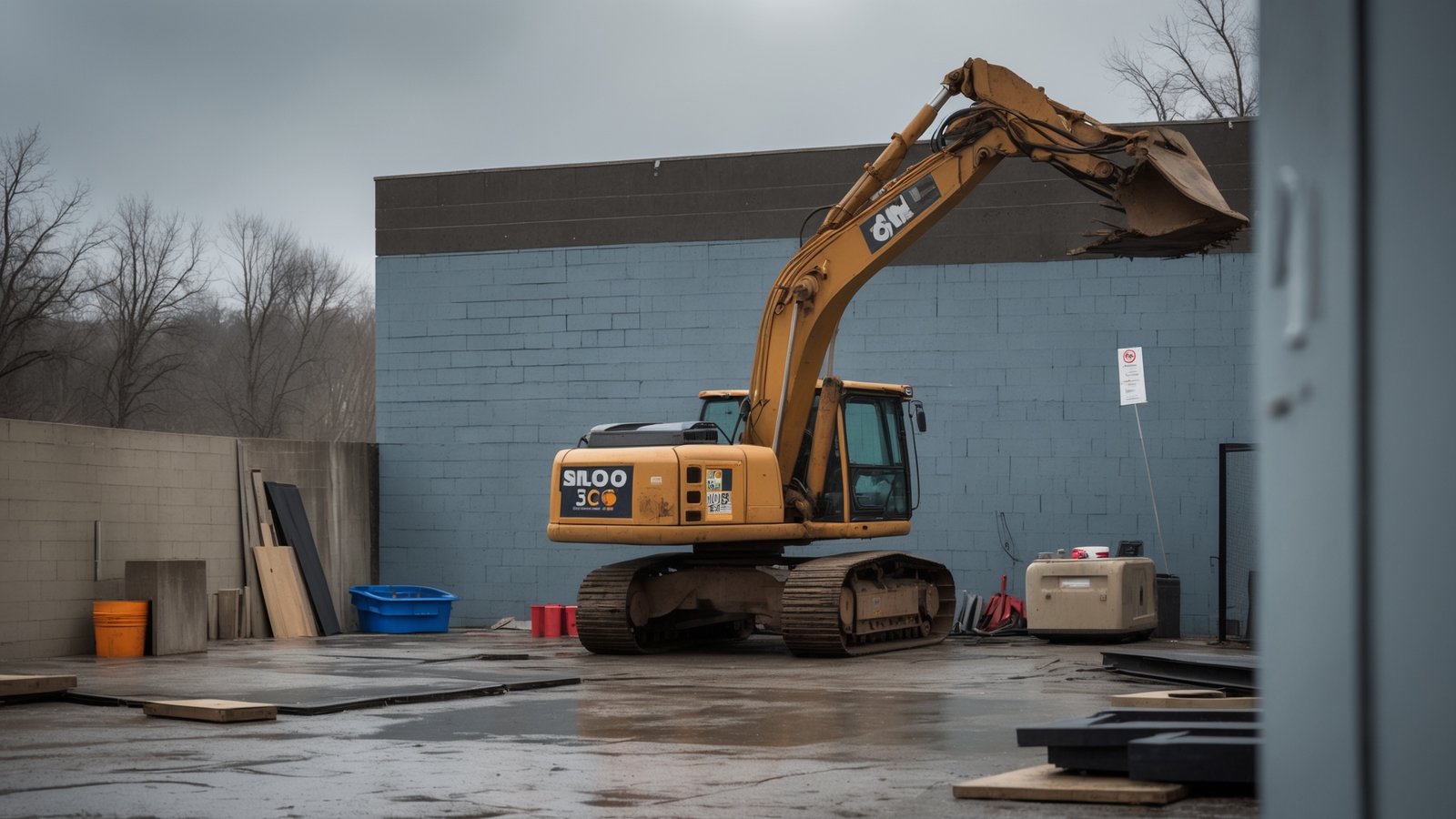
Not everything in a storage unit goes to the same place. Professional cleanouts involve sorting items into categories: keep, donate, recycle, and dispose. While some clients prefer to handle sorting themselves before the team arrives, others hire haulers to make these decisions based on general guidance.
Items designated for keeping are set aside and loaded separately, often into the client’s personal vehicle. Donation-worthy items go into a separate pile for transport to charity partners. Recyclable materials such as metal furniture frames, cardboard boxes, and certain plastics are separated for proper processing. Everything else is loaded for responsible disposal.
This sorting phase is where expertise matters. Experienced teams recognize what local charities accept, which materials recycling centers take, and which items require special disposal methods. This knowledge keeps usable goods out of landfills and ensures hazardous materials are handled correctly.
Safe Loading and Heavy Lifting in Marysville
Storage units often contain heavy, awkward items that pose injury risks during removal. Old sofas, dressers, box springs, and stacked boxes create physical challenges that require proper technique and equipment. Professional crews use furniture dollies, hand trucks, and lifting straps to move heavy loads safely.
Sno King Hauling Junk Removal brings the crew size and equipment needed to handle these challenges efficiently. Teams work in pairs to lift large items, protecting both workers and the contents being removed. They navigate narrow hallways, tight corners, and steep ramps without damaging facility property or adjacent units.
Loading the truck follows a strategic order. Heavy items go in first, providing a stable base. Fragile or keep items are loaded last for easy access at the destination. Efficient loading maximizes truck capacity and minimizes the number of trips needed, which directly impacts the time and cost of the project.
Step-by-Step Breakdown of the Hauling Process
The actual hauling unfolds in a predictable sequence. First, the crew confirms the plan with the client, verifying what stays and what goes. Second, they begin removing items from the unit in the order determined during assessment. Third, items are sorted into appropriate piles or loaded directly onto the truck based on destination.
Fourth, once the unit is empty, the crew performs a final sweep. They remove any remaining debris, sweep the floor, and ensure the space is broom-clean. Fifth, they secure all items on the truck and prepare for transport. Sixth, they deliver donation items to partner charities, recyclables to processing centers, and waste to approved disposal facilities.
Finally, they provide the client with documentation if needed, such as donation receipts for tax purposes or disposal manifests for records. This systematic approach ensures nothing is overlooked and every item reaches its proper destination. Similar care applies to property and apartment cleanouts where thoroughness matters.

How Teams Handle Unwanted Furniture and Large Items
Furniture dominates many storage units. Old dining sets, bedroom suites, and upholstered pieces take up significant space and pose disposal challenges. Professional haulers handle furniture and large items removal daily, so they know which pieces are worth donating and which must be disposed of.
Upholstered furniture often cannot be donated if it shows signs of wear, stains, or damage. Charities have strict acceptance policies for couches and mattresses due to hygiene concerns. Solid wood furniture in good condition, however, is highly desirable for donation. Haulers inspect each piece and make informed recommendations.
Large items that cannot be donated are broken down when necessary to maximize truck space and disposal efficiency. Crews disassemble bed frames, remove table legs, and separate materials for recycling when possible. This attention to detail reduces landfill waste and keeps disposal costs reasonable.
Responsible Disposal and Donation Practices
Where items end up after leaving the storage unit matters. Reputable hauling companies prioritize donation and recycling over landfill disposal whenever possible. This commitment requires relationships with local charities, recycling centers, and waste facilities that accept specific materials.
Donation centers often have limited space and strict guidelines about what they can accept. Professional teams know these rules and avoid delivering items that will be rejected. They time donations during facility hours and follow proper drop-off procedures, ensuring items actually reach people who need them.
Recycling efforts extend to metals, electronics, cardboard, and certain plastics. Haulers separate these materials during loading and transport them to facilities equipped to process them. Items containing hazardous materials, such as old televisions or fluorescent bulbs, are handled according to local regulations. If you’re curious about what can and cannot be hauled, this guide breaks down accepted and prohibited items.
Timing and Duration for Complete Cleanouts
Most standard storage unit cleanouts take two to four hours from arrival to final haul-away. A 5×10 unit with moderate contents might take two hours, while a packed 10×20 unit could require four or more. Timing depends on how full the unit is, how items are organized, and whether sorting assistance is needed.
Units with extreme hoarding conditions or floor-to-ceiling packing take longer. Crews must carefully deconstruct the space to avoid injury and ensure nothing valuable is accidentally discarded. These projects may require scheduling a half-day or full-day block.
Advance preparation speeds the process. If clients sort through items beforehand and clearly mark what should stay, the crew can work more efficiently. However, many people hire professional teams precisely because they lack the time or ability to do this prep work, and that’s perfectly acceptable. The team adjusts their approach based on the client’s needs and involvement level.
Cost Factors and What Influences Pricing
Storage unit cleanout pricing typically depends on volume rather than hourly rates. Companies estimate how much truck space the contents will occupy and quote accordingly. A quarter-truck load costs less than a half or full load. Most teams provide free on-site estimates to ensure accurate pricing.
Several factors influence cost beyond volume. Labor intensity matters: a unit with heavy appliances or furniture requires more effort than one filled with boxes. Disposal fees vary by material, with certain items incurring higher processing costs. Distance to disposal and donation sites also plays a role, especially for rural facilities.
Donation items sometimes reduce overall costs because haulers avoid disposal fees by redirecting usable goods to charities. Clients should ask whether their hauler offers this benefit. Transparent pricing includes all labor, transportation, and disposal fees, so clients know the total cost upfront without surprise charges.
Turning an Overwhelming Task Into a Manageable Solution
Storage unit cleanouts feel overwhelming because they represent accumulated decisions postponed over months or years. Each box and piece of furniture represents a choice: keep, donate, or discard. Multiply that by hundreds of items, add physical labor and disposal logistics, and the task becomes paralyzing.
Professional hauling transforms this burden into a single decision: hire help. Once that choice is made, the rest unfolds through a proven system handled by people who do this work every day. The emotional weight of sorting through possessions remains, but the physical labor, logistics, and disposal complexity disappear.
Clients often express relief when the unit is finally empty. Years of monthly fees end, and the mental space occupied by the nagging thought of “I need to deal with that storage unit” clears. That psychological benefit alone justifies the service cost for many people.
Experience Makes the Difference
Professional storage unit cleanouts remove the physical and logistical burdens that keep units full for years. From coordinating facility access to ensuring responsible disposal, experienced teams handle every detail. The right hauler brings the crew size, equipment, and expertise needed to complete the job safely and efficiently in a single visit.
Sno King Hauling Junk Removal serves customers across the region who are ready to reclaim space and stop paying for storage they no longer need. Whether your unit holds a few forgotten items or decades of accumulation, the team approaches every project with professionalism and care. Call (425) 322-6782 to schedule a free assessment and take the first step toward clearing your storage unit for good.