The commercial junk removal process follows a structured, efficient workflow that minimizes business disruption while clearing unwanted materials quickly. Unlike residential cleanouts, commercial projects often involve larger volumes, strict time windows, and coordination with multiple stakeholders. Professional hauling teams assess your space, quote the job accurately, schedule around your operating hours, load and haul everything efficiently, and dispose of materials responsibly through recycling, donation, or landfill diversion.
Why Businesses Need Specialized Junk Removal
Commercial spaces accumulate debris and unwanted items differently than homes. Retail stores rotate inventory and fixtures, offices upgrade furniture and technology regularly, and warehouses manage packaging waste and obsolete equipment. Standard waste service contracts rarely handle bulk items, large furniture, or one-time cleanouts. Trying to manage these removals in-house pulls employees away from revenue-generating tasks and often requires renting trucks or equipment your team does not have experience operating safely.
Professional hauling services bring the labor, vehicles, disposal knowledge, and insurance coverage needed to handle commercial volumes without disrupting your operations. Your staff stays focused on their core responsibilities while trained crews handle the heavy lifting and logistics.
The Initial Contact and Assessment Phase
Every commercial project starts with a consultation. You describe what needs removal, the volume of materials, any access challenges, and your preferred timeline. Many hauling companies offer onsite estimates for larger jobs or can provide phone quotes when you send photos and dimensions. This assessment determines crew size, vehicle requirements, and the time needed to complete the work.
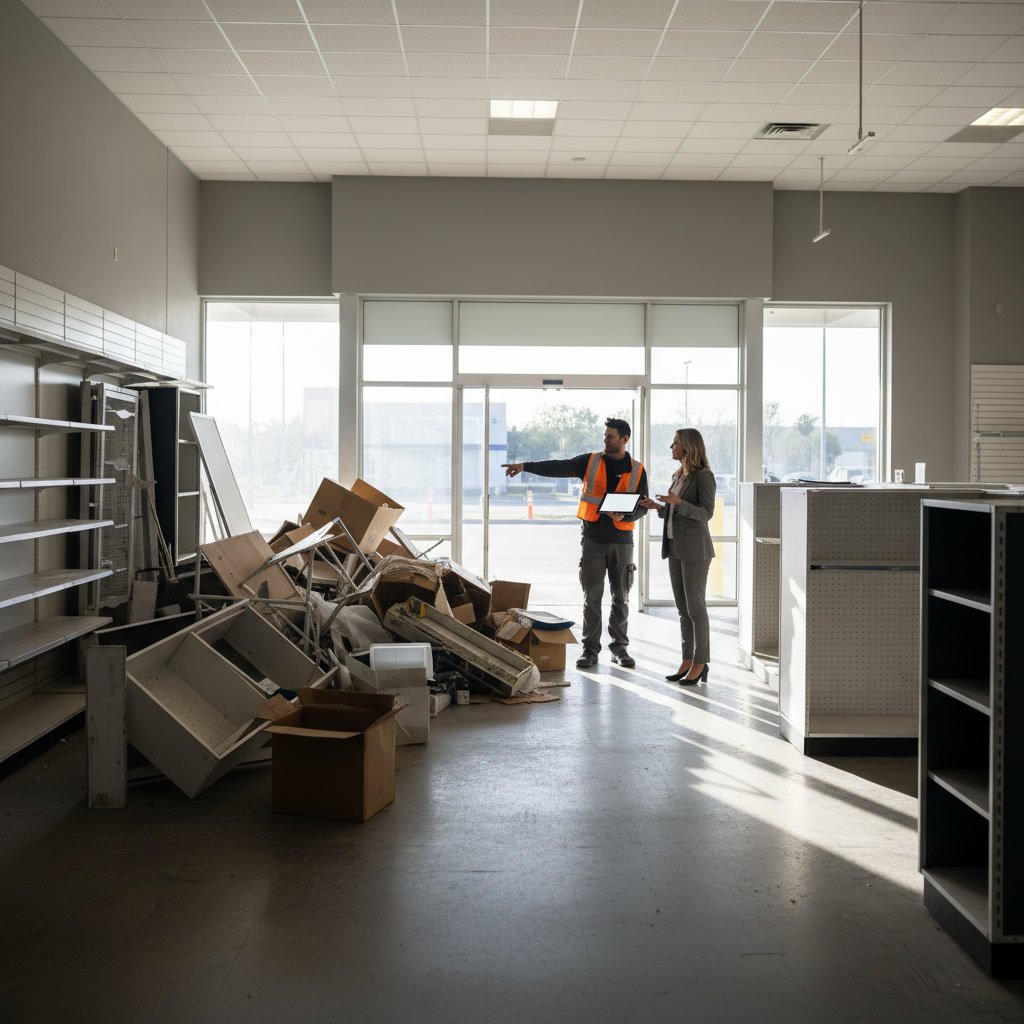
Experienced teams ask detailed questions during this phase. They need to know about loading dock access, elevator restrictions, operating hours, parking limitations, and whether items contain hazardous materials. These details shape the entire project plan and help avoid delays on removal day.
Pricing Models for Commercial Junk Removal in Marysville
Commercial jobs typically use volume-based pricing. Companies charge by how much truck space your items occupy, measured in fractions of a truckload or cubic yards. Some providers quote flat rates for specific items like office desks or retail fixtures. Large ongoing contracts may use monthly retainer pricing with a set number of pickups included.
Transparent hauling services provide written estimates that include labor, transportation, disposal fees, and any applicable surcharges for items requiring special handling. Understanding what items require extra fees helps you budget accurately and avoid surprise charges.
Scheduling Around Your Business Operations
Timing matters more in commercial settings than residential ones. Retail stores may need removals completed before opening hours or after closing. Offices prefer minimal disruption during peak work periods. Warehouses coordinate around shipping and receiving schedules. Professional teams work within these constraints, offering early morning, evening, or weekend appointments when necessary.
For larger projects spanning multiple days, haulers coordinate phased removals that clear one section at a time. This approach keeps parts of your facility operational while work progresses elsewhere. Clear communication ensures everyone knows the schedule and any temporary access restrictions.
Step-by-Step Removal Day Workflow
On removal day, the process follows a consistent sequence designed for speed and safety. Here is how professional crews work through commercial projects:
- Crew arrives at the scheduled time with appropriate vehicles and equipment
- Team leader conducts a final walkthrough to confirm scope and identify any new items or concerns
- Crew protects floors, doorways, and high-traffic areas with protective coverings if needed
- Items are systematically loaded, starting with the largest or most difficult pieces
- Materials are sorted on the truck by disposal method (donation, recycling, landfill)
- Team performs a final sweep to ensure all agreed items are removed and the space is clean
- Customer signs off on completed work before the crew departs
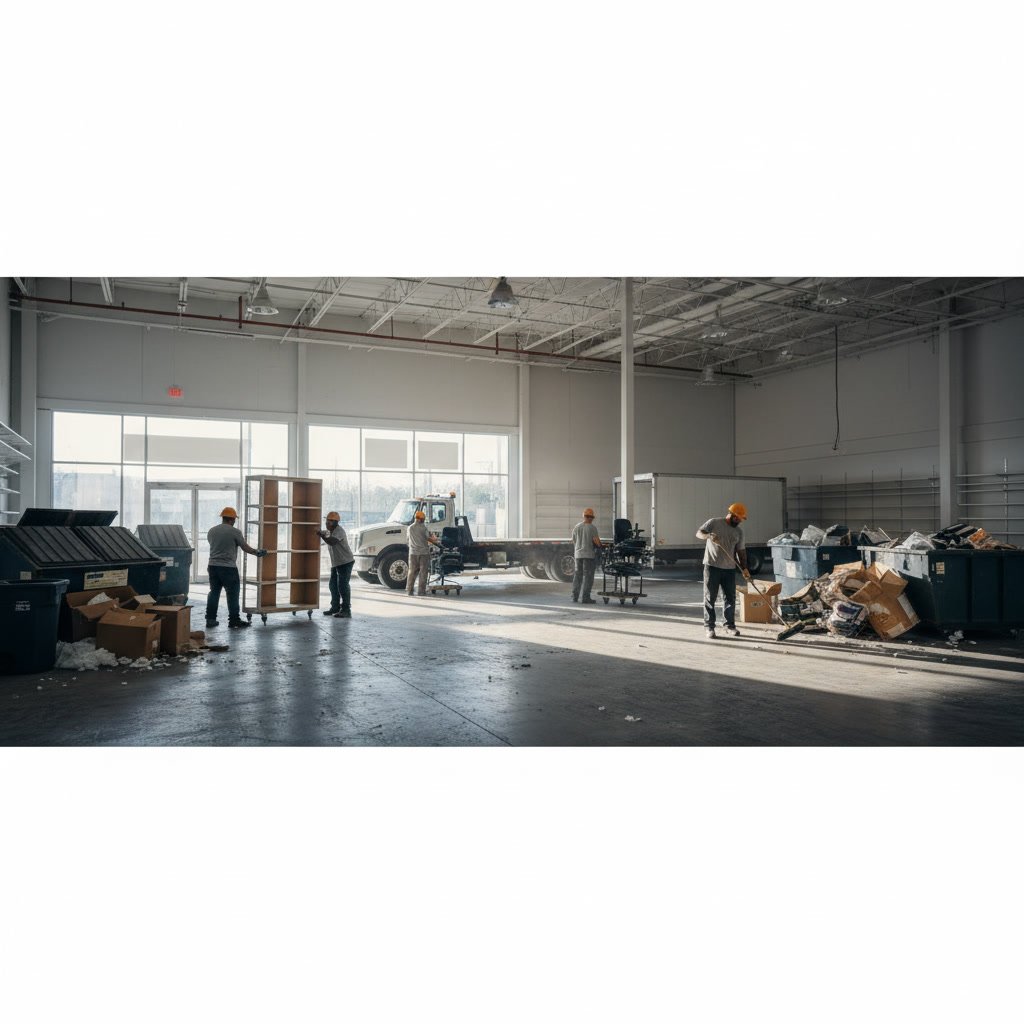
Efficient teams move quickly without cutting corners on safety. They use dollies, straps, and proper lifting techniques to protect both your property and their crew members. Most commercial removals finish faster than customers expect when handled by experienced professionals.
Handling Different Commercial Space Types
Retail stores generate specific types of waste. Display fixtures, mannequins, damaged inventory, and seasonal decorations pile up over time. Successful removals coordinate around customer traffic and preserve the shopping experience. Crews often work in back rooms or after hours, removing items through service entrances to keep the sales floor undisturbed.
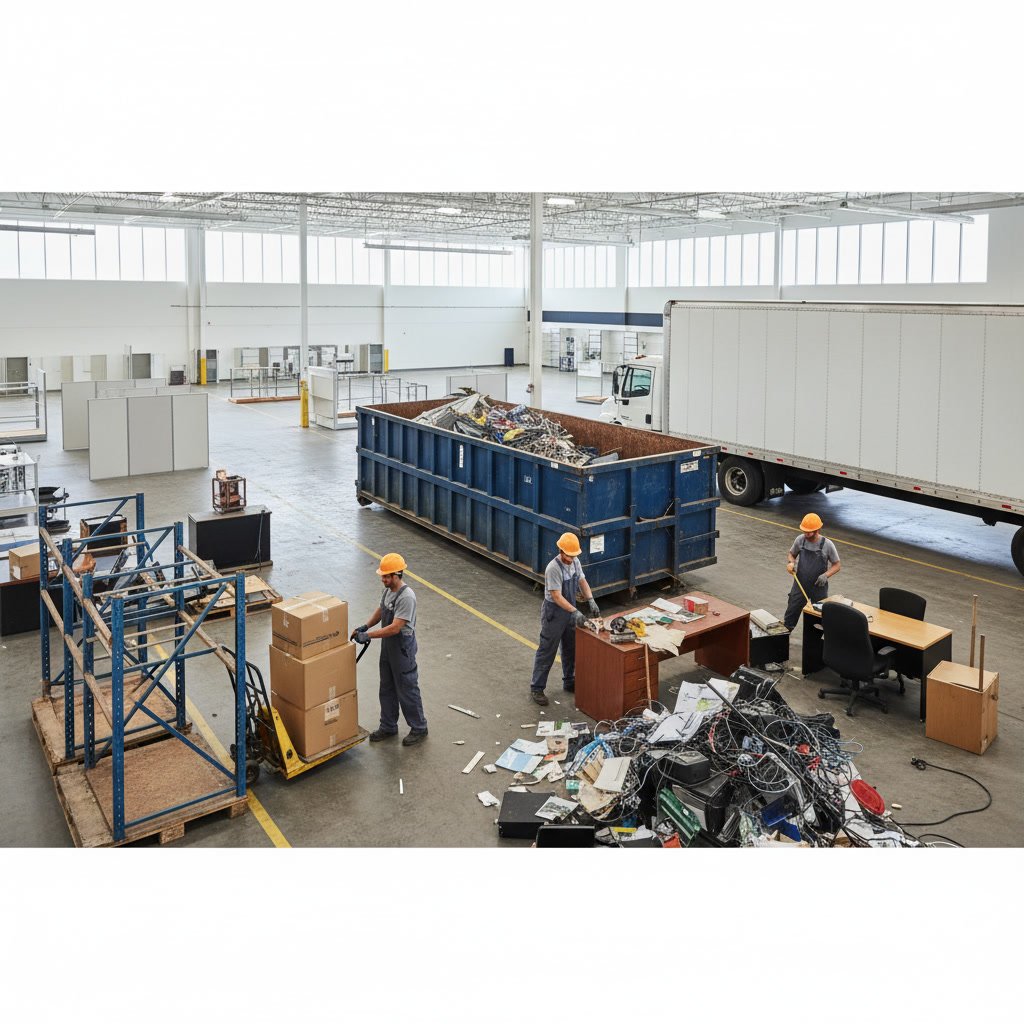
Office spaces require careful handling of outdated furniture and large items like conference tables, cubicle systems, and filing cabinets. Many offices also dispose of electronics, requiring teams knowledgeable about proper e-waste recycling. Protecting floors, walls, and elevators matters more in finished office environments than in industrial settings.
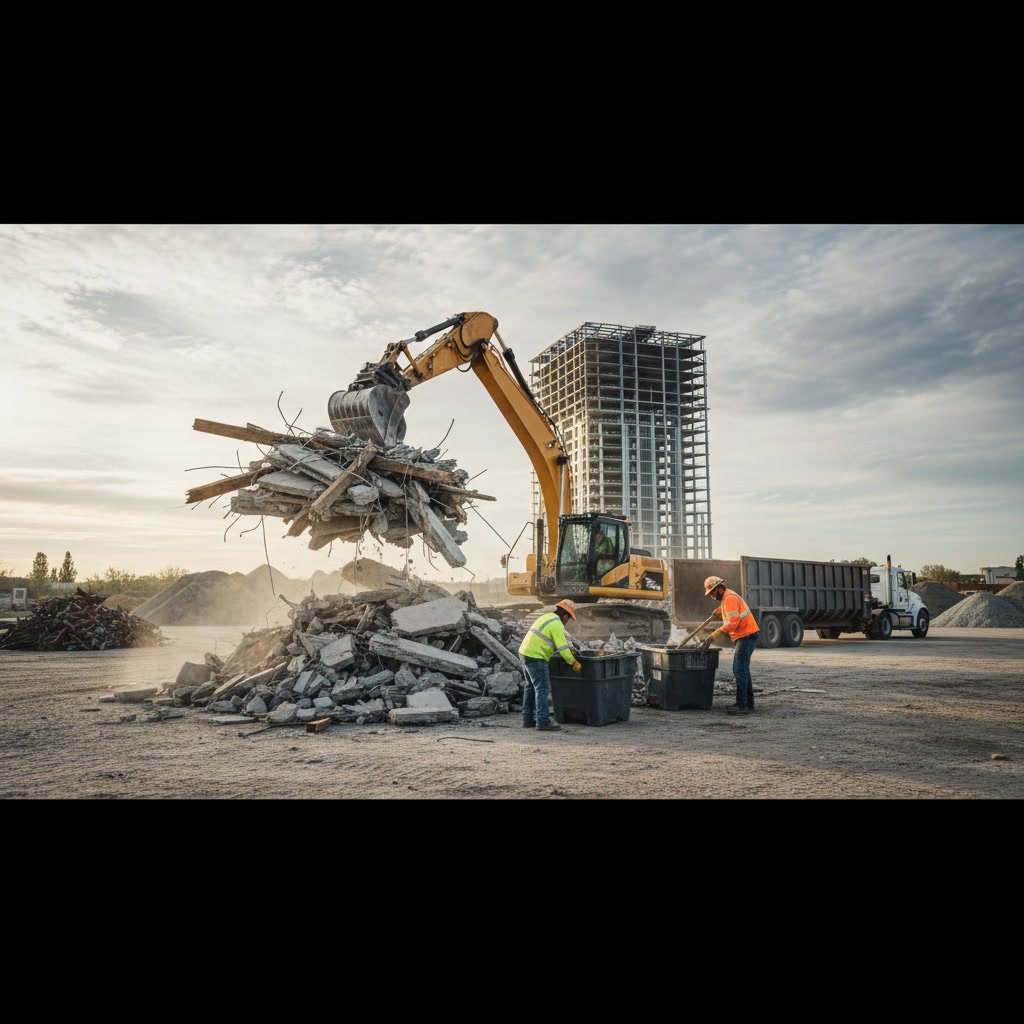
Warehouses present different challenges. High volumes, heavy equipment, and sprawling layouts demand larger crews and specialized equipment. Construction debris removal expertise applies here, as warehouses often contain pallets, packaging materials, and industrial equipment requiring careful dismantling.
Responsible Disposal and Recycling Practices
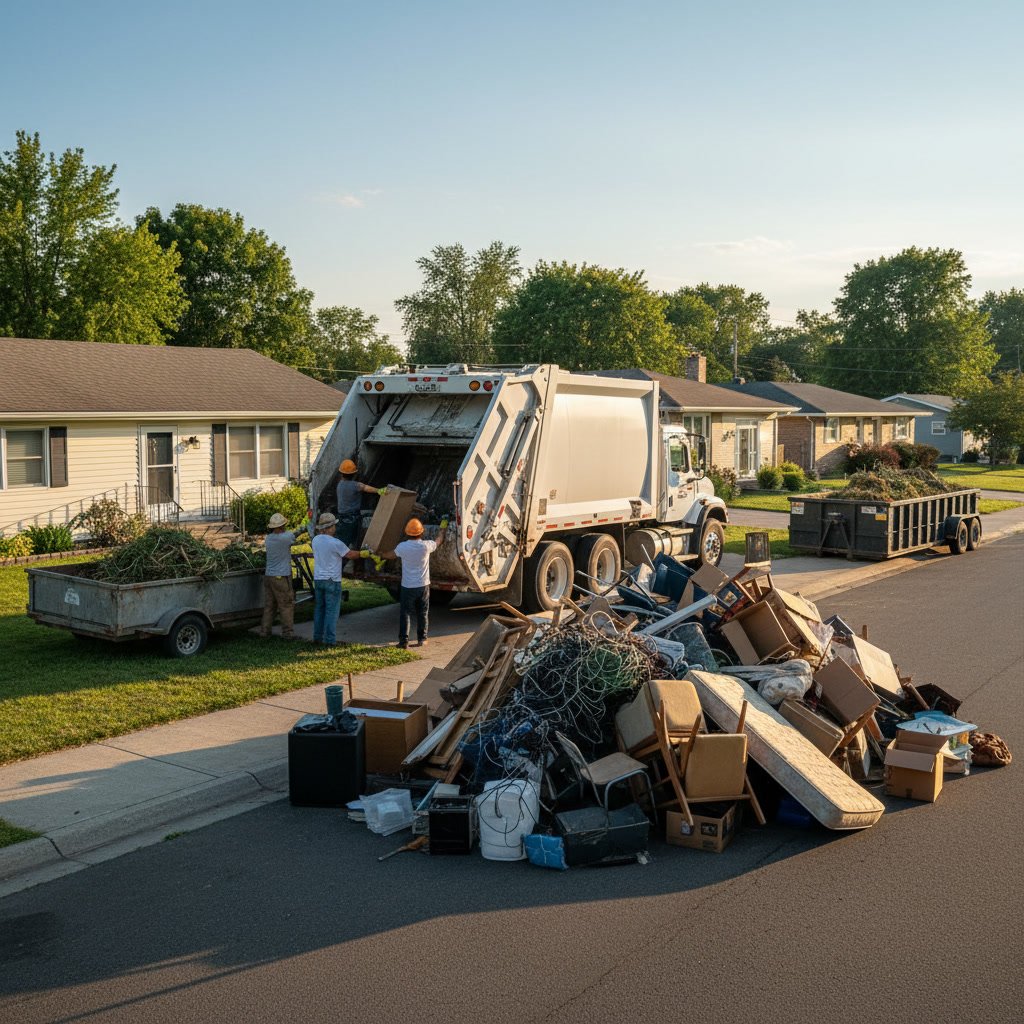
Professional commercial haulers prioritize diversion from landfills. Usable furniture goes to nonprofits or resale markets through donation pickup services. Metal, cardboard, plastics, and electronics route to specialized recycling facilities. Only items truly at end-of-life reach the landfill, and even then, responsible haulers use permitted disposal sites that follow environmental regulations.
This approach benefits businesses beyond the environmental impact. Many companies track sustainability metrics and report waste diversion rates. Partnering with haulers who document recycling and donation percentages helps you meet corporate responsibility goals and communicate environmental stewardship to customers.
Managing Multi-Location and Recurring Service Contracts
Businesses with multiple locations benefit from establishing ongoing relationships with hauling providers. Consistent service across sites ensures predictable quality and simplifies vendor management. Some companies schedule regular monthly or quarterly pickups to prevent debris accumulation, treating junk removal as preventive maintenance rather than emergency response.
Recurring contracts often include volume discounts and priority scheduling. Your hauler learns your facilities, understands your specific needs, and can respond faster when urgent situations arise. This relationship becomes especially valuable during expansions, relocations, or seasonal inventory changes that generate sudden removal needs.
Common Commercial Items and Special Handling
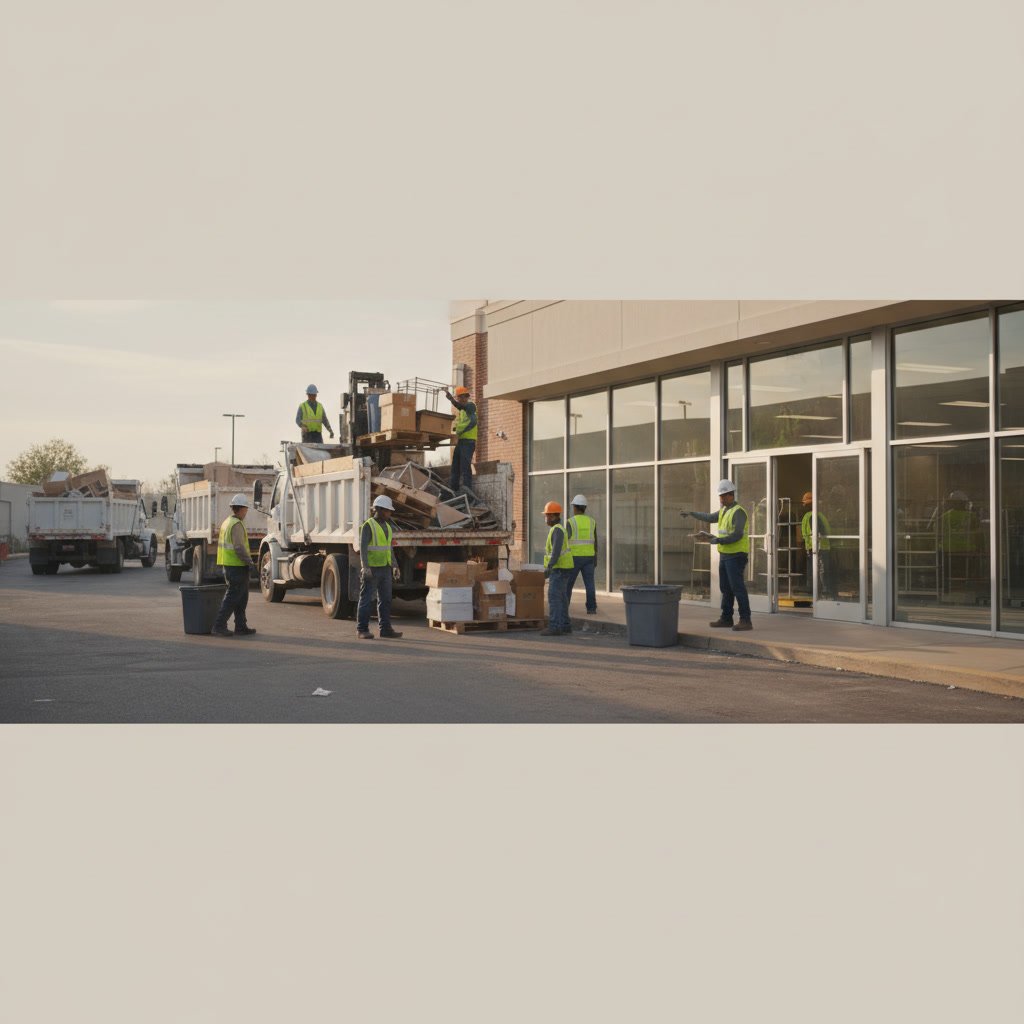
Certain items appear frequently in commercial removals and require specific knowledge. Office electronics contain data security concerns in addition to disposal requirements. Reputable haulers either provide certified data destruction or advise you to complete that step before removal. Retail fixtures may have resale value, and experienced teams can identify items worth selling versus scrapping.
Industrial equipment, machinery, and heavy appliances demand proper disconnection and safe removal techniques. Teams trained in light demolition services can dismantle built-in fixtures or remove items requiring minor structural work. Understanding these capabilities helps you select the right provider for your specific project.
Comparing DIY Approaches to Professional Services
Some businesses consider handling removals with internal staff or rented dumpsters. While this may seem cost-effective initially, the total expense often exceeds professional service when you factor in labor hours, vehicle rentals, disposal fees, insurance risk, and lost productivity. Employees lack proper equipment and training, increasing injury risk and potential property damage.
Professional services complete in hours what might take your team days. The efficiency gap widens dramatically on larger projects. One practical insight many business owners overlook is the hidden cost of employee time. Pulling three staff members for a full day to clear a storage room costs more in lost productivity than hiring a two-person professional crew who completes the same work in 90 minutes.
Your Next Steps for Efficient Commercial Cleanouts
The commercial junk removal process delivers the fastest results when you prepare your space, communicate clearly about access and timing, and choose providers with relevant commercial experience. Document what needs removal with photos, clear pathways in advance, and designate a point person to answer questions on removal day. These simple steps prevent delays and ensure your project stays on schedule.
When your retail store, office, or warehouse needs professional cleanout services, Sno King Hauling Junk Removal brings the equipment, experience, and reliability that keeps your business running smoothly. Our family-owned and veteran-owned team serves businesses throughout the region with transparent pricing and efficient service tailored to your operating schedule. Reach out at +14253226782 to discuss your commercial hauling needs and schedule a convenient time for removal.