
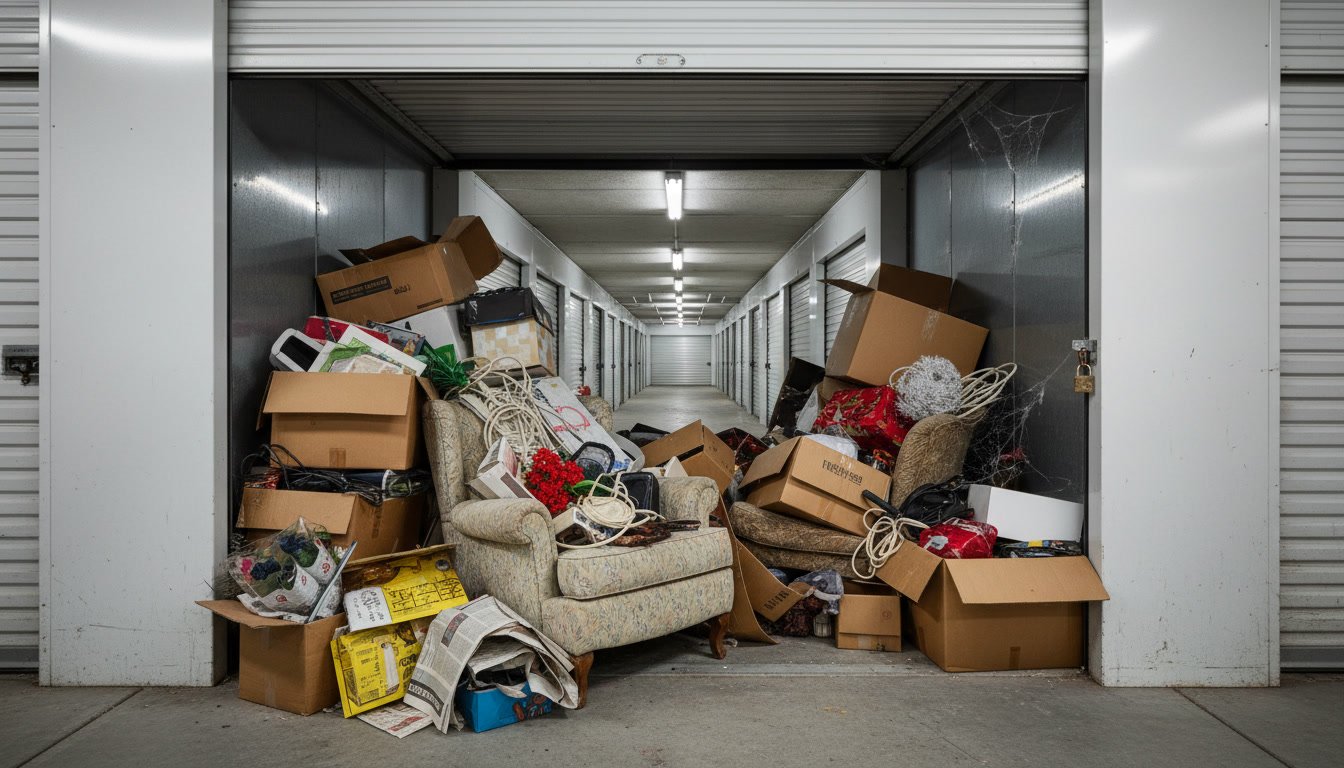
Storage unit problems often begin quietly with good intentions but escalate into financial burdens that drain hundreds or thousands of dollars from your budget. When monthly rental fees exceed the actual value of stored items, when you forget what sits inside, or when years pass without a single visit, your temporary solution has become a permanent liability. Recognizing these warning signs helps you take action before wasted money adds up to the cost of replacing everything stored inside.
Why Storage Rentals Start as Solutions but Become Liabilities
Most people rent storage units during life transitions like moving, downsizing, or dealing with an estate. The plan always sounds reasonable at first: keep belongings safe for a few months while you sort through options, find a larger home, or decide what to keep. Storage facilities market convenience and flexibility, making it easy to sign a lease without calculating long-term costs.
The problem emerges when temporary turns permanent. You adjust to life without those items, monthly payments auto-draft from your account, and the unit fades from daily awareness. What started as a three-month bridge stretches into three years. Meanwhile, rental rates often increase annually, and your monthly commitment grows without delivering any practical value to your current lifestyle.
Calculating the True Cost of Long-Term Storage
A 10×10 storage unit in the Seattle area typically costs between $150 and $250 per month, depending on climate control and location. Over three years, that adds up to $5,400 to $9,000. Over five years, you spend $9,000 to $15,000. Ask yourself honestly whether the furniture, boxes, and miscellaneous items inside justify that expense.
Most storage customers discover their belongings depreciate faster than they realize. A couch worth $800 new loses most resale value within three years. Seasonal decorations, old electronics, and dated furniture often hold more sentimental weight than actual market value. When replacement cost falls below accumulated rental fees, you have crossed into money-drain territory.
You Cannot Remember What You Actually Stored
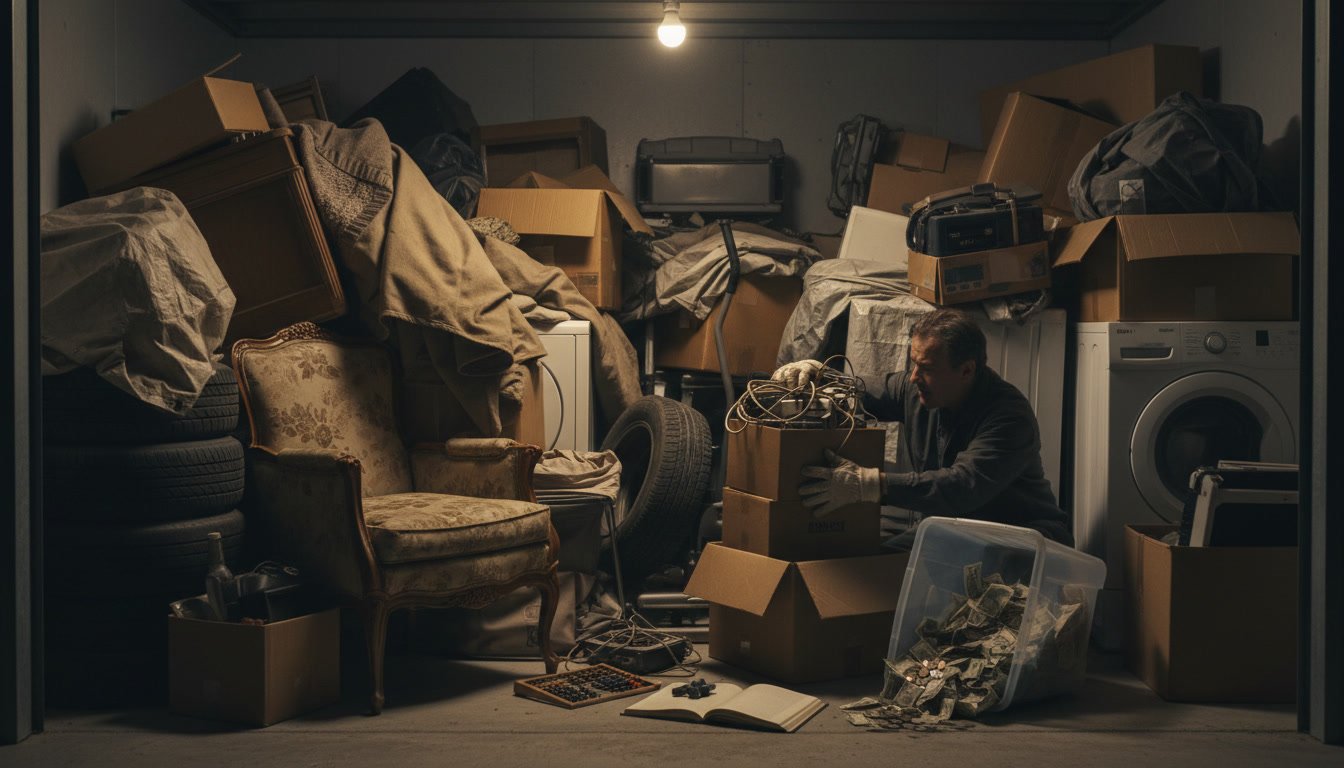
One of the clearest storage unit problems is forgetting the contents. If you struggle to list more than five specific items without checking your inventory list or making a site visit, you have mentally disconnected from those belongings. Items that do not occupy your thoughts rarely serve your current needs.
This memory gap signals deeper issues. When possessions become abstract concepts rather than functional tools or meaningful keepsakes, their purpose has evaporated. You pay monthly fees to protect things that no longer fit your life, your home, or your priorities.
You Have Not Visited the Unit in Over Six Months
Regular visits indicate active use and ongoing value. If six months or a year passes without opening that roll-up door, your rental has shifted from functional storage to expensive neglect. Some customers go years without stepping inside, paying thousands while items gather dust, mildew, or pest damage.
Lack of access also suggests your current life does not require those items. Useful belongings get retrieved and integrated into daily routines. Forgotten boxes stay buried because nothing inside solves a present problem or fills an immediate need.
Rental Fees Now Exceed the Value of Stored Items
Run a simple audit by estimating the resale or replacement value of everything inside your unit. Check online marketplaces to see what similar items actually sell for, not what you originally paid. If the total value falls below two years of rental payments, you face a clear financial loss.
This calculation becomes even more stark when you factor in opportunity cost. Money spent on storage could fund home improvements, debt reduction, or savings. Every month that passes without action increases the gap between expense and value, turning a minor mistake into a significant financial drain.
Most Items Inside Could Be Donated or Recycled
Walk through your unit with fresh eyes and sort items into three categories: keep and use, donate, and dispose. Many customers discover that 70% or more of stored belongings fall into the latter two groups. Clothing no longer fits, furniture styles have changed, and outdated electronics hold no resale appeal.
Professional donation pickup services simplify the process by handling transportation and coordination with local charities. Items with remaining life benefit others while freeing you from ongoing rental obligations. For larger pieces, furniture and large items removal ensures proper disposal or recycling.
Comparing Storage Costs to Junk Removal Across Marysville
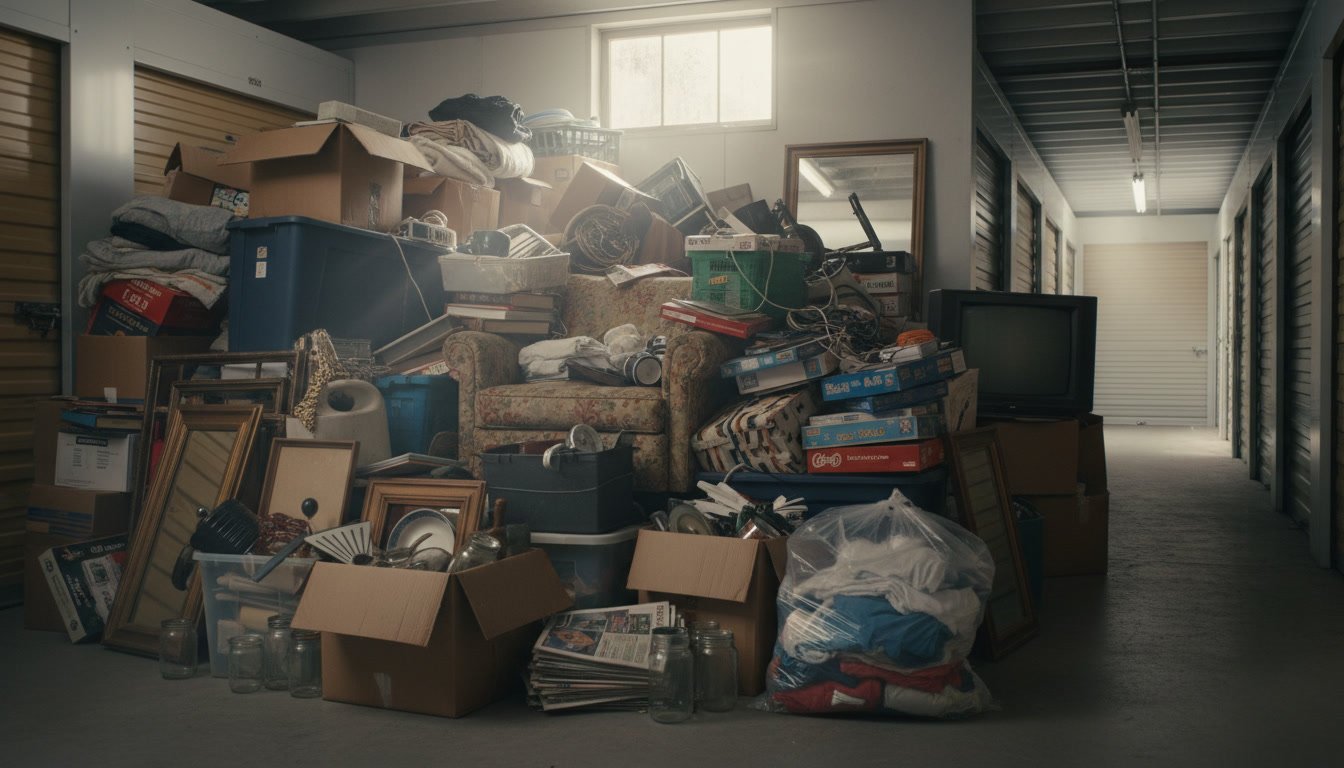
Homeowners across Marysville often hesitate to empty storage units because cleanout costs feel like an added expense. However, a one-time professional cleanout typically costs between $300 and $800, depending on volume and disposal needs. Compare that single payment to another year of $200 monthly fees totaling $2,400, and the math becomes clear.
Ending your rental immediately stops the financial bleeding. You reclaim mental space by eliminating another monthly bill and physical space by clearing out items that no longer serve you. The upfront investment pays for itself within two to four months of avoided rental charges.
Storage Units Create Hidden Costs Beyond Monthly Rent
Rental fees represent only part of the true expense. Insurance requirements add another monthly charge, often $10 to $30 depending on coverage limits. Locks, moving supplies, and occasional truck rentals to transport items back and forth increase total spending. Some facilities also charge administrative fees, late payment penalties, or rate increases with little notice.
Time costs matter too. Hours spent driving to the facility, sorting through boxes, and managing belongings could be invested in more productive activities. Every visit requires planning, travel, and physical effort that delivers minimal return when items remain unused.
Four Steps to Reclaim Your Budget and Space
First, schedule a comprehensive inventory visit. Photograph everything, list items by category, and estimate current values. This step provides clarity and eliminates guesswork. Second, separate items into definite keepers, possible donations, and clear disposals. Be ruthless and realistic about what you will actually use within the next six months.
Third, arrange removal for unwanted items. Professional storage unit cleanouts handle the heavy lifting, transportation, and responsible disposal in a single appointment. Teams experienced with tight spaces and loading logistics complete the job efficiently without requiring your physical labor.
Fourth, terminate your rental agreement as soon as the unit is empty. Confirm final payment, return keys or access cards, and obtain written confirmation that your lease has ended. This prevents surprise charges or automatic renewals that restart the cycle.

When Storage Makes Sense and When It Does Not
Storage units serve legitimate short-term needs during specific circumstances. Military deployments, temporary relocations, home renovations, or gap periods between selling and buying homes justify rental expenses. The key is defining a clear end date and exit strategy from the beginning.
Storage stops making sense when it extends beyond six months without a concrete plan, when you cannot justify the expense against item values, or when you use the space to avoid making decisions about belongings. If you find yourself in any of these situations, the unit has shifted from helpful tool to financial burden. For additional perspective on recognizing when clutter becomes problematic, review the clear signs that indicate you need professional junk removal for your living spaces as well.
Breaking Free From the Storage Cycle
Ending a storage rental requires both practical action and mental permission to let go. Many people keep units because they feel obligated to items inherited from family, furniture purchased years ago, or belongings tied to past identities. Recognizing that your current self deserves financial freedom more than dusty boxes deserve preservation helps shift perspective.
Once you empty the unit and cancel the lease, redirect those monthly payments toward goals that improve your present life. Whether you save the money, pay down debt, or invest in home improvements, you immediately benefit from funds previously locked in a storage loop. The relief of eliminating another bill and reclaiming mental energy often surprises people who waited years to take action.
Storage unit problems often hide in plain sight because payments auto-draft and units stay out of mind. When you recognize the signs that your rental has become a money drain rather than useful space, you gain the power to make informed decisions. Whether stored items hold genuine value or simply represent delayed choices, calculating true costs against actual benefits reveals the path forward.
Sno King Hauling Junk Removal helps residents throughout Marysville take back control of their budgets and spaces. Our family-owned, veteran-owned team handles storage cleanouts with the same care and efficiency we bring to every project, ensuring responsible disposal and donation of items that still have life left. If your storage unit has turned into an expensive burden, we provide straightforward solutions that end the cycle quickly. Reach out to +14253226782 to discuss your specific situation and schedule a cleanout that frees both your finances and your peace of mind.