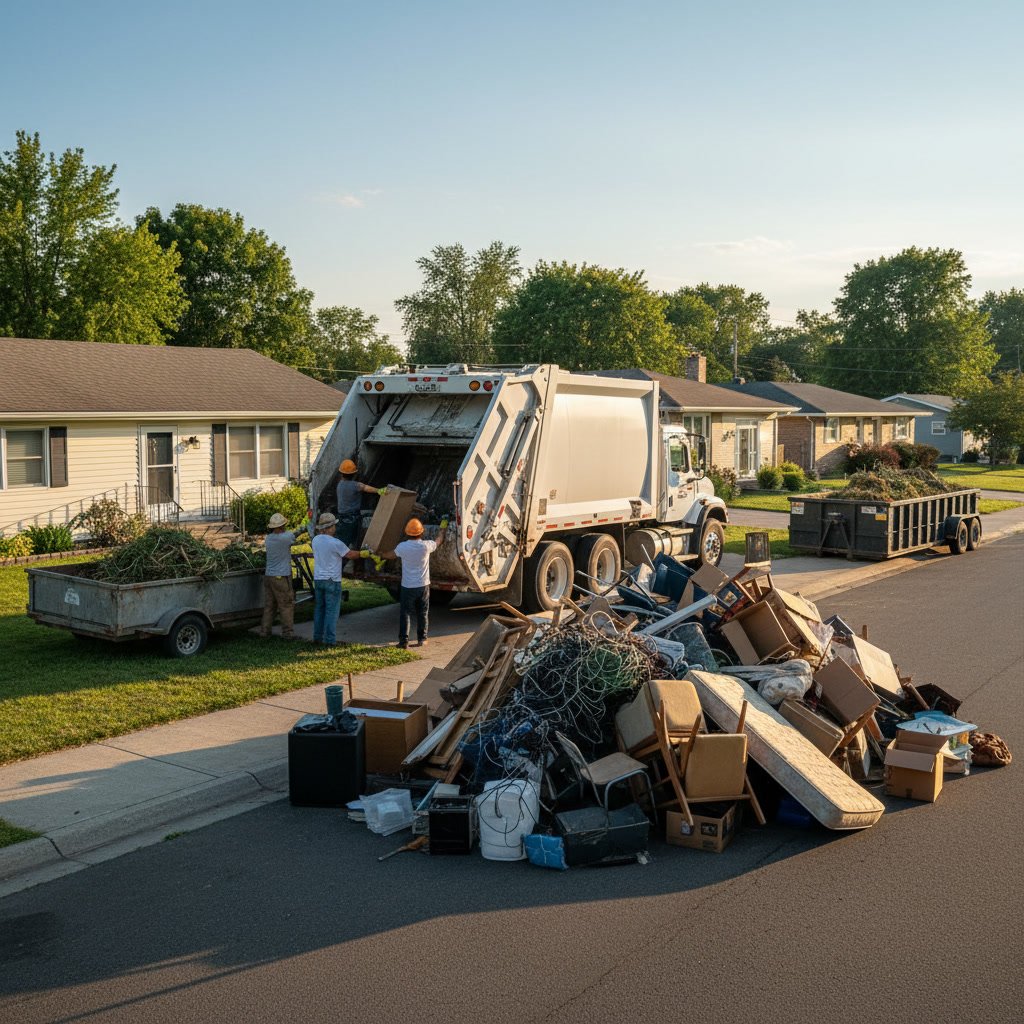
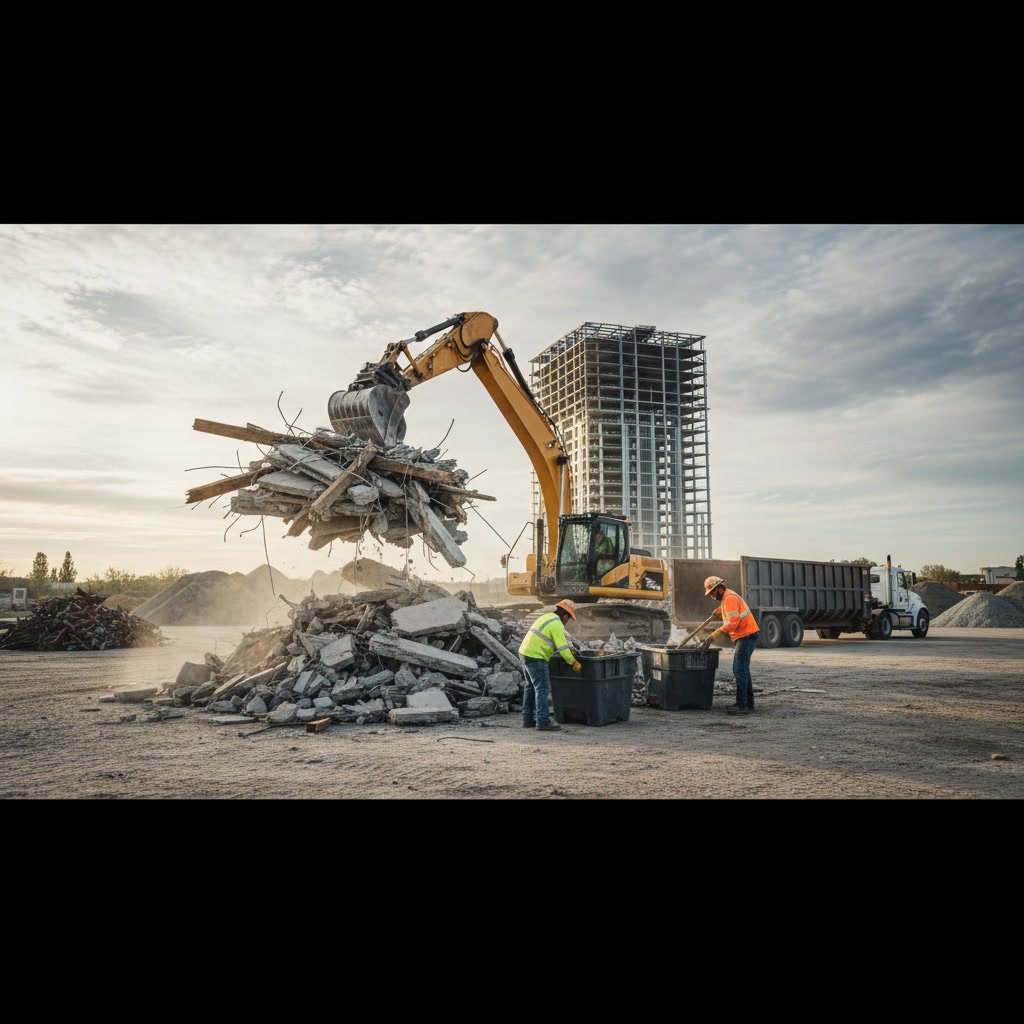
Professional construction debris removal teams follow a systematic approach to manage job site waste, from sorting materials at the source to ensuring proper disposal at certified facilities. The process involves safety protocols, sorting strategies, transportation logistics, and compliance with local disposal regulations. Skilled teams work around construction schedules to minimize disruptions while maximizing material recovery and environmental responsibility.
Why Job Site Waste Management Requires Specialized Service
Construction sites generate vastly different waste than residential properties. A single remodeling project can produce 1,500 to 4,000 pounds of debris, including lumber, drywall, metal, concrete, and hazardous materials. General hauling services lack the equipment, permits, and knowledge required to handle this volume and variety safely.
Professional teams understand weight limits for different debris types, disposal restrictions for specific materials, and local regulations governing construction waste. They arrive with commercial-grade trucks, proper personal protective equipment, and relationships with specialized recycling centers that accept materials most landfills refuse.
Understanding the Different Categories of Construction Waste
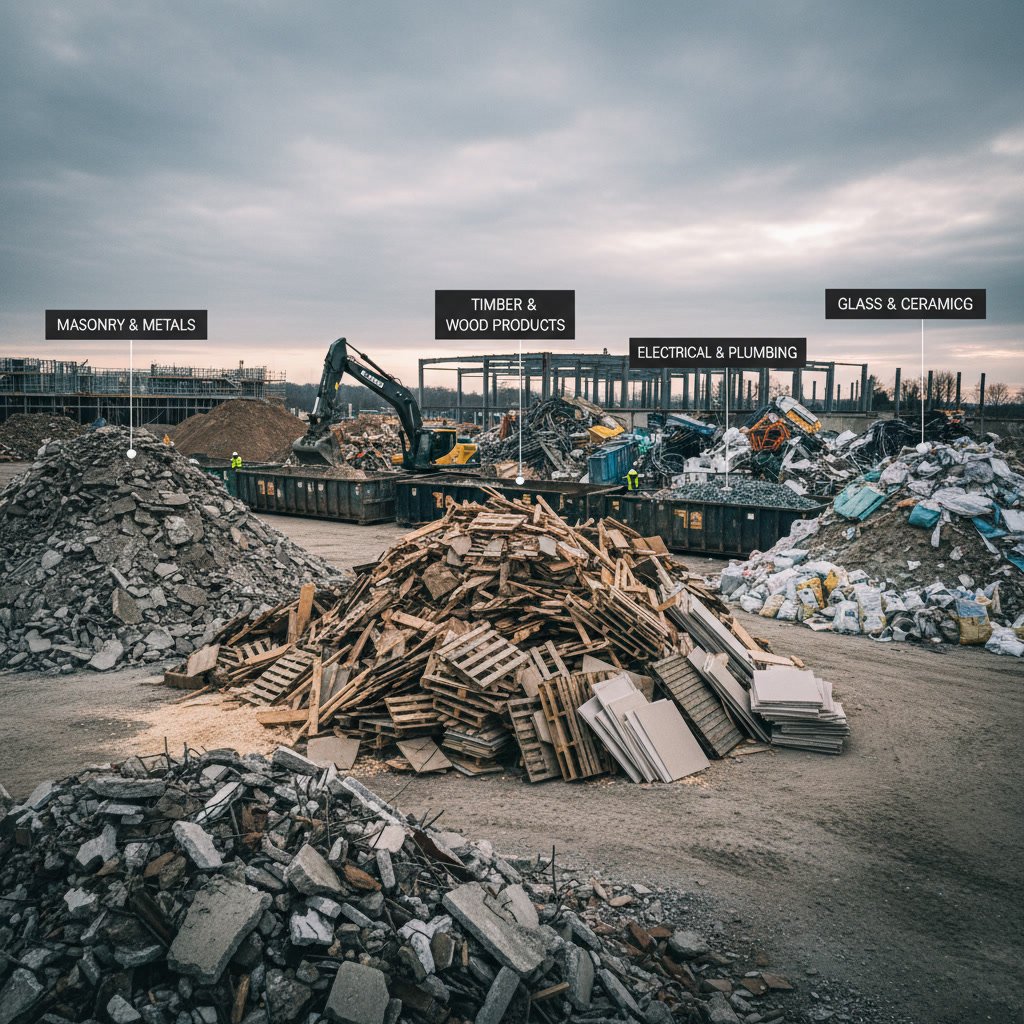
Job sites produce four main waste categories, each requiring different handling methods. Inert materials like concrete, brick, and asphalt can often be crushed and recycled for road base or new construction projects. Wood waste, including dimensional lumber, plywood, and framing materials, can be chipped for mulch or fuel if free from contaminants like nails and paint.
Metal debris, including copper pipe, steel beams, aluminum siding, and rebar, holds significant recycling value and should always be separated. Mixed debris, containing drywall, insulation, packaging, and general trash, typically requires landfill disposal but accounts for the smallest percentage when proper sorting occurs on site.
How Professional Teams Sort Materials On Site
Effective debris removal begins with smart sorting before materials ever reach the truck. Experienced crews place separate containers or designated zones for metal, wood, concrete, and mixed waste. This approach reduces disposal costs since recycling centers charge significantly less than landfills, and some materials like scrap metal generate revenue.
Teams trained in material identification can spot salvageable items that contractors might overlook. Copper wiring, brass fixtures, and aluminum window frames add up quickly. One expert-level insight: teams that weigh debris by category before transport can provide contractors with accurate waste documentation required for LEED certification and environmental impact reporting, something most builders appreciate but few haulers offer.
Safety Protocols That Protect Workers and Property
Job site debris often includes sharp edges, protruding nails, and unstable stacks of materials. Professional removal teams wear cut-resistant gloves, steel-toed boots, hard hats, and safety glasses as standard equipment. They assess load stability before moving materials and use proper lifting techniques to prevent injury.
Property protection matters just as much as worker safety. Crews place protective coverings on finished floors, use corner guards on doorways, and create clear pathways from debris sources to truck loading zones. This attention to detail prevents damage that could delay project completion or create disputes over repair costs.
The Step-by-Step Process From Collection to Disposal
The removal process follows a predictable sequence that keeps projects moving. First, the team conducts a site walk-through with the contractor or property manager to identify debris locations, access points, and any special handling requirements. Second, they establish staging areas where materials can be safely consolidated without blocking active work zones.
Third, crews systematically clear debris room by room or zone by zone, maintaining separation between material types. Fourth, they load trucks with heavier materials on bottom and lighter items on top, securing loads to prevent shifting during transport. Fifth, they deliver sorted materials to appropriate facilities, obtaining weight tickets and disposal receipts. Finally, they return documentation to the client showing exactly where each material category was processed.
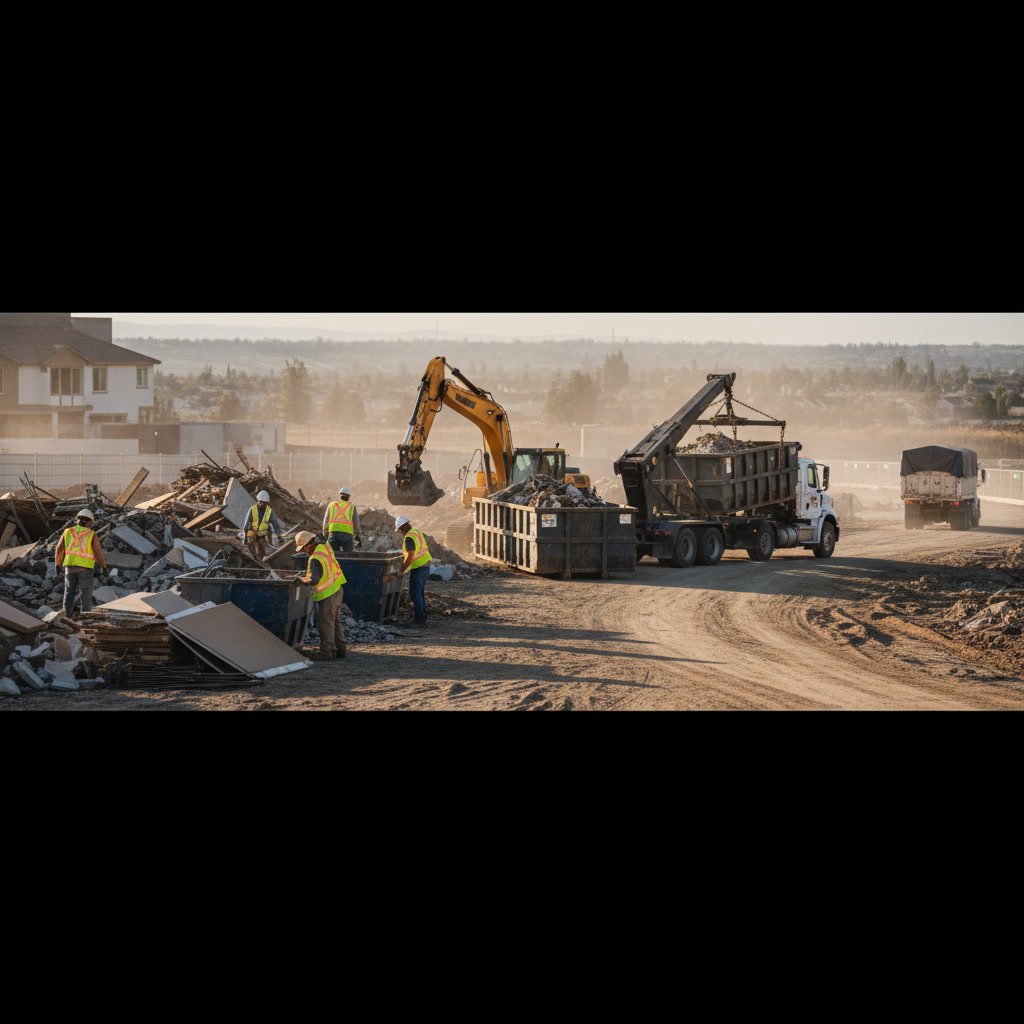
Handling Specialized Demolition Materials in Marysville
Some construction projects in Marysville generate debris that requires additional expertise. Light demolition services often produce materials like asbestos-containing flooring, lead paint chips, or treated lumber that cannot mix with general construction waste. Professional teams recognize these materials and follow containment protocols to prevent contamination of recyclable debris.
Appliances removed during renovation work, including built-in ranges, dishwashers, and HVAC units, contain refrigerants and oils that require certified handling. Understanding which materials haulers can accept helps contractors plan properly and avoid project delays caused by improper disposal attempts.
How Scheduling Impacts Project Timelines and Efficiency
Construction schedules demand flexibility that standard waste services cannot provide. Debris accumulates in bursts rather than steady streams. A framing crew might generate three truck loads in two days, then produce minimal waste for a week during finishing work.
Responsive hauling teams offer on-call scheduling that aligns with construction phases. They arrive when debris reaches critical mass or when specific work stages complete. Some provide roll-off dumpsters for multi-week projects, while others schedule multiple pickups timed to demolition, framing, and finish work stages. This coordination prevents debris from blocking work areas or creating safety hazards that slow down other trades.
Environmental Responsibility and Recycling Priorities
The construction industry generates roughly 600 million tons of debris annually in the United States. Responsible removal teams divert 50 to 75 percent of this material from landfills through strategic recycling and donation programs. Dimensional lumber in good condition can be donated to organizations building affordable housing or community projects.
Donation pickup services help contractors fulfill corporate responsibility goals while reducing disposal fees. Metal recycling not only conserves natural resources but also reduces the energy consumption required to produce new materials by up to 95 percent. Concrete crushing operations turn demolition waste into usable aggregate, closing the loop on material lifecycles.

Cost Factors That Influence Debris Removal Pricing
Several variables determine the cost of professional construction debris removal. Volume measured in cubic yards or truck loads forms the baseline calculation. Material type significantly affects pricing since concrete disposal costs more per ton than wood waste, while metal recycling may generate credits that offset hauling fees.
Access difficulty adds labor time and complexity. Ground-level debris with direct truck access costs less to remove than materials on upper floors or behind obstacles. Distance to disposal facilities impacts fuel costs and time, particularly for specialized materials requiring specific recycling centers. Sorting requirements also influence pricing, with pre-sorted debris costing less to process than mixed loads requiring hand separation.
What Contractors Should Communicate Before Removal Begins
Clear communication between contractors and hauling teams prevents costly misunderstandings. Contractors should specify which materials require removal and which stay on site for reuse. They should identify any hazardous materials present, including asbestos, lead paint, or chemical containers that require specialized handling.
Access restrictions matter significantly. Haulers need to know about locked gates, narrow driveways, overhead power lines, or time restrictions in residential areas. Weight limits on driveways or parking structures prevent property damage and liability issues. Providing this information upfront allows teams to bring appropriate equipment and schedule sufficient labor.
Choosing a Hauling Partner That Supports Your Project Goals
The right debris removal partner does more than haul trash away. They understand construction timelines, communicate proactively about schedule changes, and provide documentation that supports your project records. Look for teams with commercial-grade equipment sized appropriately for construction volumes rather than residential pickup trucks.
Verify that haulers carry proper insurance coverage including general liability and workers compensation. Ask about their disposal practices and recycling rates. Teams that track diversion percentages and provide detailed disposal receipts demonstrate accountability. Commercial junk removal experience translates directly to construction site needs, showing a team understands the pace and demands of professional projects.
Partnering With a Team That Understands Construction Demands
Managing job site waste efficiently protects your project timeline, controls disposal costs, and demonstrates environmental responsibility. The right hauling partner brings sorting expertise, proper equipment, regulatory knowledge, and flexible scheduling that aligns with construction realities rather than forcing your project to adapt to their limitations.
Sno King Hauling Junk Removal provides construction debris removal services throughout Marysville and surrounding communities with the responsiveness and professionalism contractors depend on. Our veteran-owned team understands the importance of clear communication, reliable scheduling, and thorough documentation. Whether you’re managing a small remodel or a large commercial build, we bring the equipment and expertise to keep your site clean and your project moving forward. Reach out at +14253226782 to discuss your project needs and schedule service that works around your timeline.