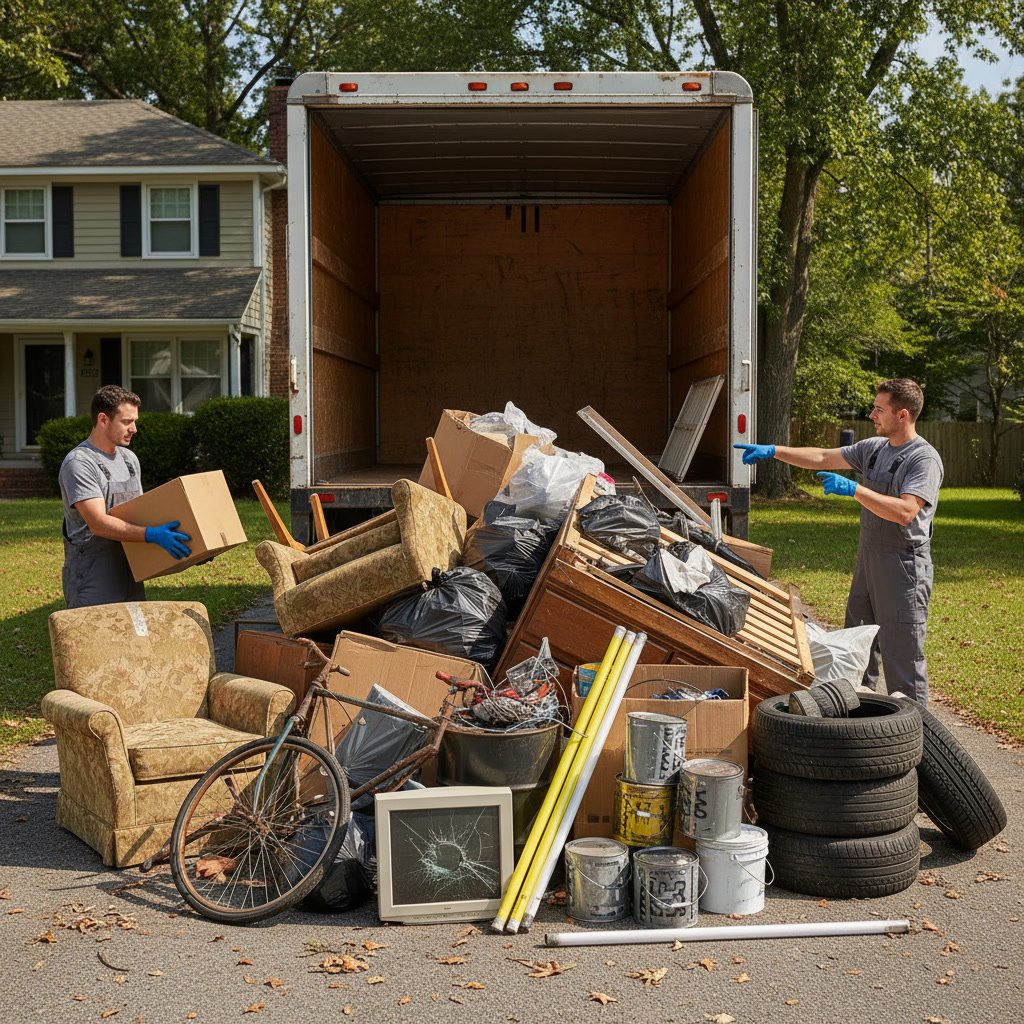
Most residential junk removal companies accept furniture, appliances, electronics, and general household clutter, but they cannot take hazardous materials like paint, chemicals, asbestos, or medical waste. Understanding what junk removal takes before you book a service saves time, prevents scheduling delays, and helps you plan for proper disposal of restricted items. Every hauling company follows local, state, and federal regulations that dictate what can be legally transported and disposed of in landfills or recycling centers.
Hiring a professional hauler means clearing out unwanted items quickly, but knowing the boundaries ahead of time ensures a smooth experience. This guide breaks down exactly what you can expect your junk removal team to accept, what they must refuse, and how to handle items that fall into gray areas.
Why Junk Removal Companies Have Restrictions
Hauling regulations exist to protect public health, the environment, and workers who handle discarded materials. Landfills and transfer stations enforce strict guidelines about what they accept, and junk removal crews must comply or risk fines and legal liability. Hazardous substances can leak during transport, contaminate soil and water, or cause injury to workers who load and unload trucks.
Beyond legal requirements, insurance policies also limit what haulers can carry. A residential junk removal company insured for general debris may not be covered if a driver transports medical sharps or flammable liquids. These restrictions protect both the business and the customer from accidents and environmental violations.
Accepted Items Most Haulers Will Take
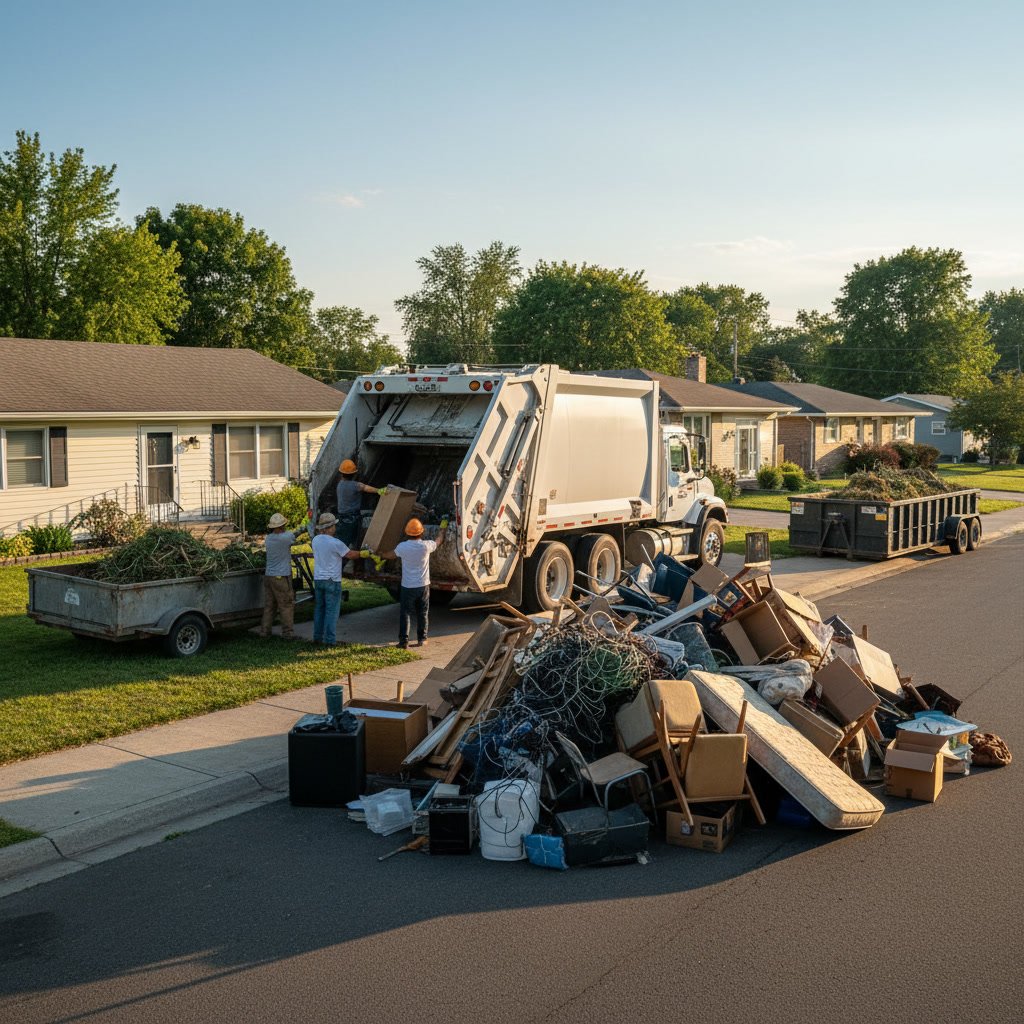
The majority of household items qualify for pickup and disposal. Standard accepted materials include wooden furniture, metal bed frames, mattresses, box springs, carpets, and area rugs. Electronics such as televisions, computers, monitors, printers, and stereo equipment are commonly hauled, though many companies recycle these instead of sending them to landfills.
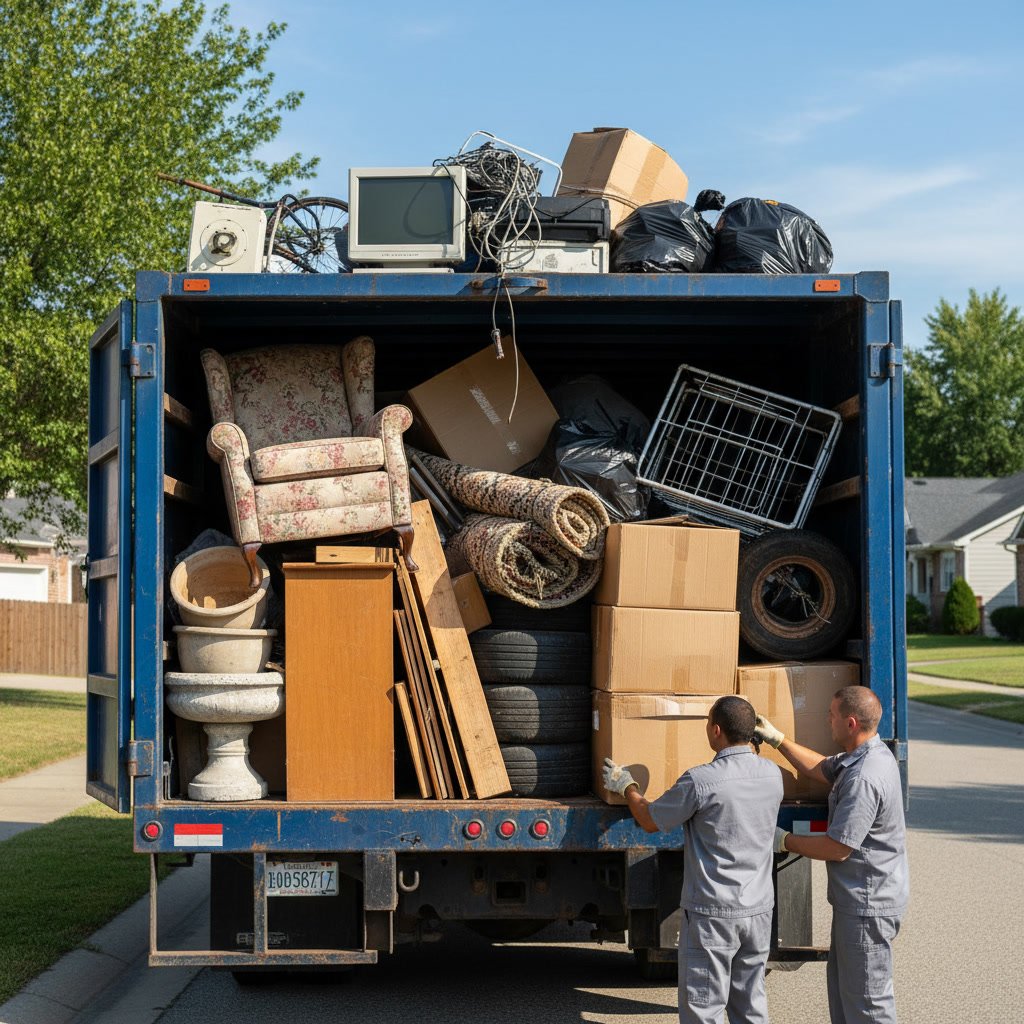
Appliances are another major category. Refrigerators, freezers, washers, dryers, ovens, dishwashers, and microwaves all fall under standard appliance removal services. Many states require certified technicians to remove refrigerant from cooling units before disposal, so professional haulers handle that step to remain compliant.
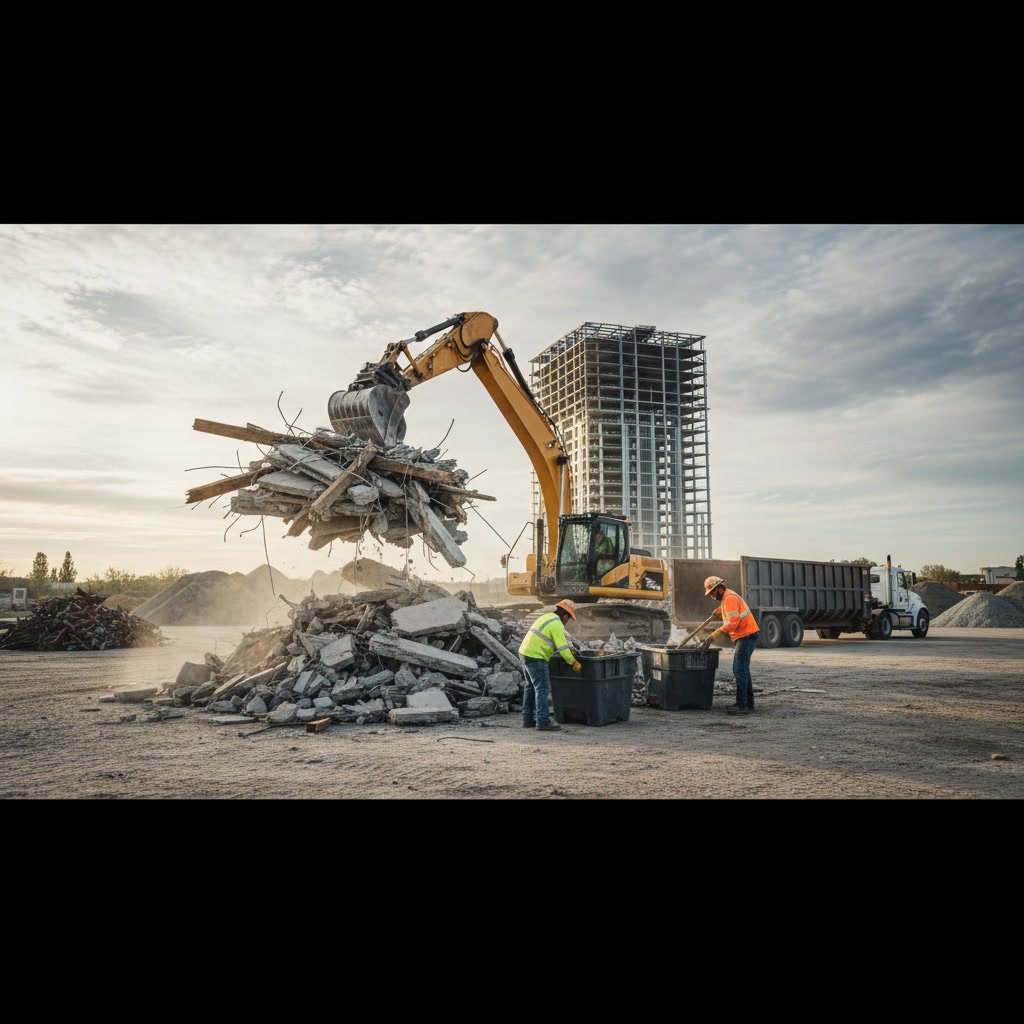
Yard debris such as branches, leaves, and stumps typically require separate green waste services, but general junk haulers often accept smaller amounts of landscaping waste. Construction materials like drywall, lumber, tile, and flooring are accepted by most crews offering construction debris removal, as long as the material does not contain asbestos or lead paint.
Large and Bulky Item Removal
Oversized items present logistical challenges but remain within the scope of most residential haulers. Couches, recliners, armoires, pianos, and entertainment centers all qualify for pickup. Hot tubs and spas require special handling due to their size and weight, but professional teams equipped with proper tools can dismantle and remove them safely. If you need to clear one from your backyard, hot tub removal specialists handle the heavy lifting and disposal.
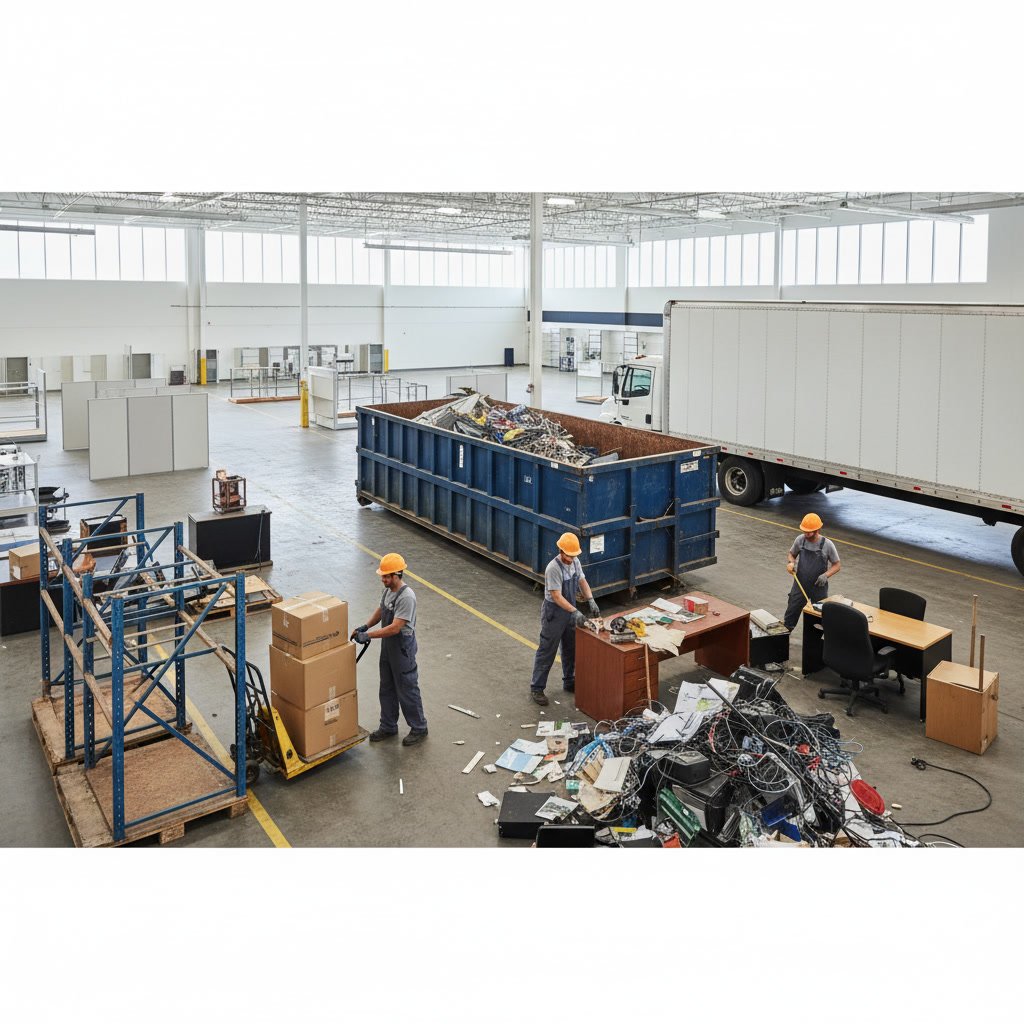
Exercise equipment, including treadmills, weight benches, and elliptical machines, are accepted without issue. Office furniture like desks, filing cabinets, and conference tables also qualify, whether you are clearing a home office or a commercial space.
What Junk Removal Companies Cannot Take in Marysville
Hazardous waste tops the list of prohibited items. Paint, stain, varnish, solvents, pesticides, herbicides, pool chemicals, motor oil, antifreeze, and gasoline must be disposed of through county hazardous waste programs. Washington State residents can drop off these materials at designated collection facilities or scheduled household hazardous waste events.
Asbestos-containing materials require licensed abatement contractors. If you suspect insulation, flooring, or ceiling tiles in an older home contain asbestos, hire a certified professional to test and remove it. Standard junk haulers cannot legally transport asbestos, even in sealed bags.
Medical waste, including syringes, needles, IV bags, and biohazard materials, must be handled through medical waste disposal services. Pharmacies and some hospitals offer take-back programs for unused medications. Batteries, especially lithium-ion and car batteries, are also restricted due to fire risk and chemical content, though many haulers can refer you to local recycling centers that accept them.
Propane tanks, fire extinguishers, and compressed gas cylinders fall into the hazardous category. These items can explode under pressure or heat, making them unsafe for standard trucks. Retailers that sell propane often accept empty tanks for recycling or refill.
Gray Area Items That Require Case-by-Case Decisions
Some materials sit in a middle zone where policies vary by company and jurisdiction. Tires are a common example. Many landfills charge extra fees for tire disposal, so haulers may accept them but pass along the cost. Others decline tires entirely and suggest tire recycling centers or auto shops.
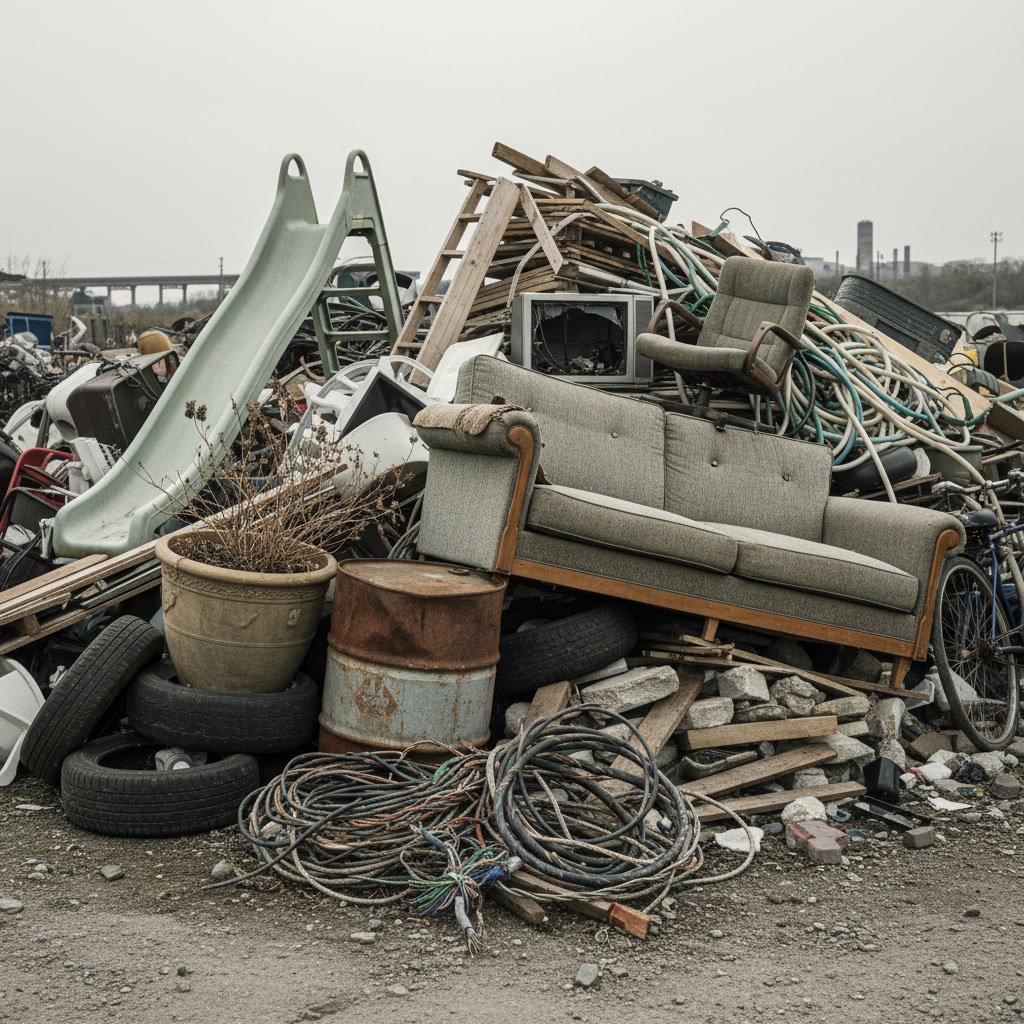
Dirt, concrete, bricks, and stone are often too heavy for standard junk removal trucks and require specialized disposal. Some haulers accept small quantities, while others refer customers to roll-off dumpster services designed for heavy debris.
Wet or mold-contaminated materials present health risks and require careful handling. If you are dealing with water damage or mold growth, the hauler may require remediation before pickup. Always disclose the condition of items when booking to avoid surprises on removal day.
How Donation Pickup Services Expand What You Can Clear
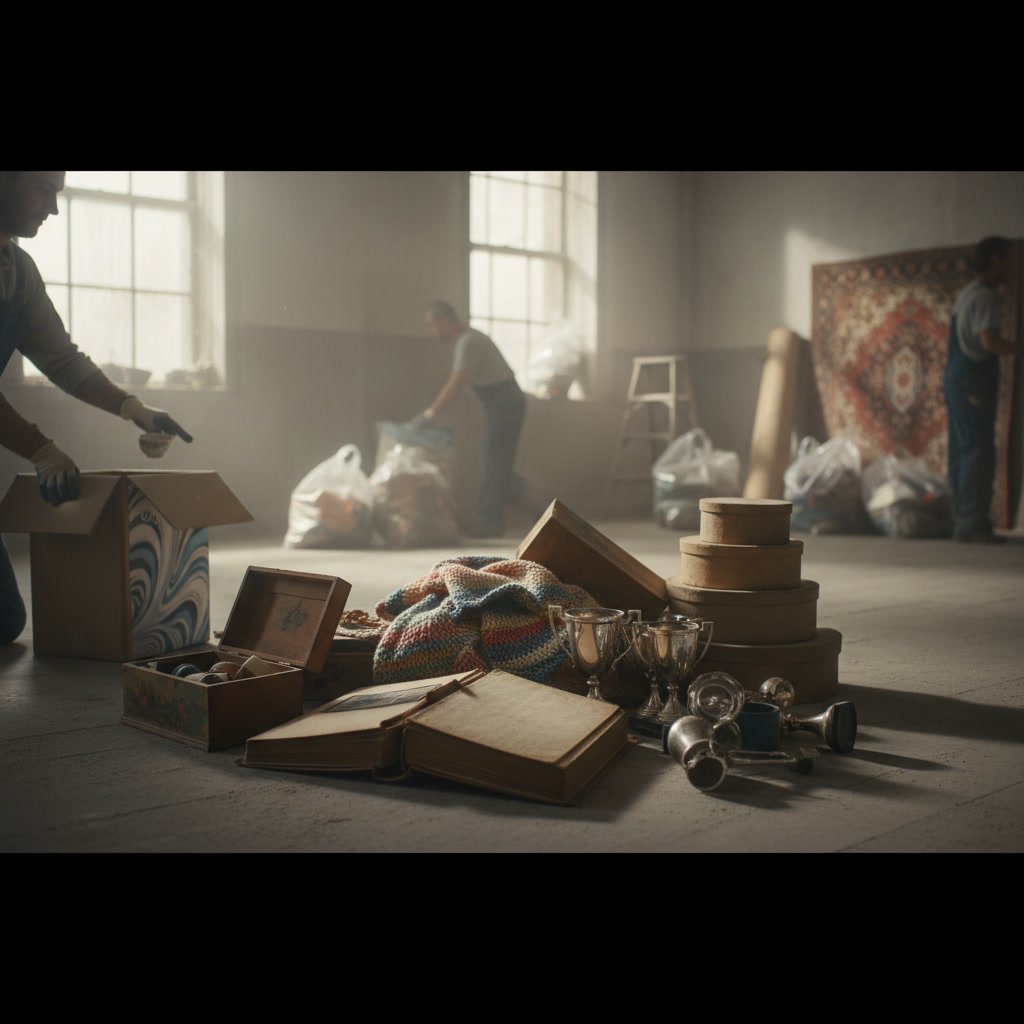
Not everything you want removed is trash. Many hauling companies partner with local charities to donate usable furniture, clothing, toys, books, and household goods. This option reduces landfill waste and supports community organizations. If you have gently used items, ask your hauler about donation pickup services that separate reusable goods from true junk.
Professional haulers often work with thrift stores, shelters, and nonprofit organizations that accept furniture and appliances in good condition. This service benefits both you and the community, and some items may even qualify for a tax deduction if you request a donation receipt.
Preparing Your Home for Junk Removal Day
Sorting items before the hauling team arrives speeds up the process and prevents confusion. Group items you want removed in one area, such as a garage or driveway, and separate anything that requires special disposal. If you are unsure whether an item is accepted, call ahead or check the company’s website for a detailed list.
Label hazardous materials clearly and set them aside so the crew does not accidentally load them. If you have questions about whether a specific item qualifies, ask during the booking process. Transparent communication prevents delays and ensures the job runs smoothly.
For larger projects like estate and foreclosure cleanouts, the hauling team may conduct a walkthrough before providing a final quote. This allows them to assess volume, access, and any special handling requirements.
Step-by-Step Guide to Confirming Item Acceptance
First, make a list of all items you need removed, including approximate sizes and quantities. This helps you provide accurate information when requesting a quote.
Second, contact the junk removal company by phone or online form and describe the items in detail. Mention any that might fall into restricted categories, such as appliances with refrigerant, electronics, or construction debris.
Third, ask if the company offers recycling or donation services for items that are still functional. This can reduce your disposal costs and support sustainability.
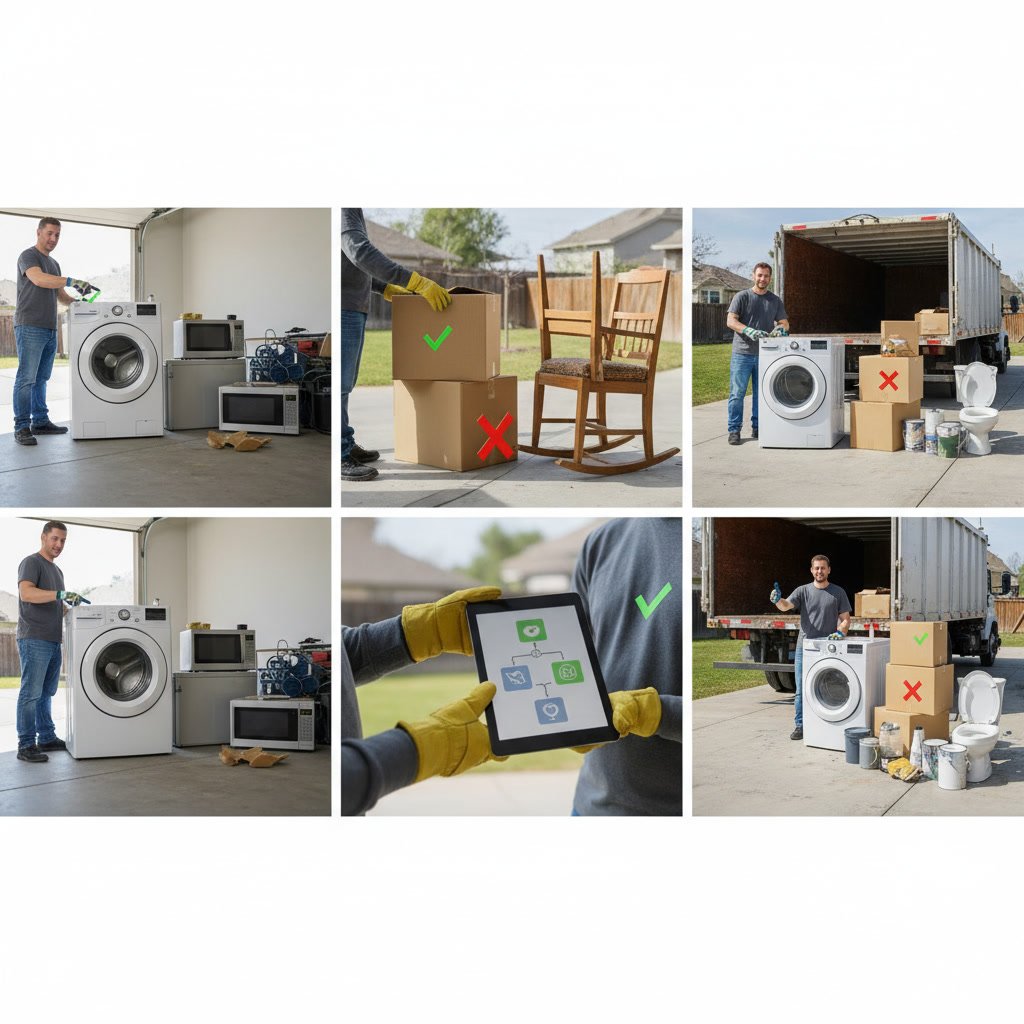
Fourth, confirm the pricing structure. Some companies charge by volume, while others use flat rates or itemized pricing. Clarify whether there are additional fees for heavy items, stairs, or long carries.
Fifth, schedule the pickup and confirm the date, time window, and any access instructions. If you will not be home, discuss whether the crew can proceed without you present.
How Professional Haulers Ensure Responsible Disposal
Reputable junk removal companies prioritize recycling and donation over landfill disposal. Metals, plastics, cardboard, and electronics are sorted and sent to specialized recycling facilities. Furniture in good condition is donated to charities, and organic materials like wood are often repurposed or composted.
This process requires extra labor and logistics, but it reduces environmental impact and supports circular economy principles. When choosing a hauler, ask about their disposal practices and recycling rates. Companies that transparently share this information demonstrate a commitment to responsible service.
Understanding how junk removal works from booking to final cleanup gives you confidence that your items are handled legally and ethically after they leave your property.
When to Schedule Junk Removal for Your Home
Timing matters when planning a cleanout. Spring and fall are popular seasons for decluttering, so availability may be tighter during those months. If you are preparing for a move, schedule your hauling service at least two weeks before your moving date to avoid last-minute stress.
Property managers handling tenant turnover often need rapid response times. Many junk removal companies offer same-day or next-day service for urgent cleanouts. If you notice clear signs you need junk removal for your home, such as overflowing garages or blocked walkways, scheduling sooner rather than later prevents clutter from worsening.
For larger projects like basement or attic cleanouts, breaking the work into phases can make the job more manageable. A professional hauler can remove items in stages, allowing you to sort and decide on belongings at your own pace.
Partner with a Team That Puts Transparency First
Knowing what junk removal takes and what it cannot handle helps you avoid surprises and plan your cleanout effectively. From standard household items to oversized furniture and appliances, professional haulers streamline the process and ensure responsible disposal. By sorting prohibited materials ahead of time and communicating clearly with your hauling company, you set the stage for a smooth, efficient removal day.
When you are ready to clear out unwanted items from your home, Sno King Hauling Junk Removal offers honest, reliable service across Snohomish County. Our team handles everything from single-item pickups to full property cleanouts, and we prioritize recycling and donation whenever possible. Call +14253226782 to schedule your pickup and take the first step toward a clutter-free space.